Annual Meeting 2026
VALIDATE Annual Meeting 2026:
Science, Collaboration and Community in Cartagena, Colombia
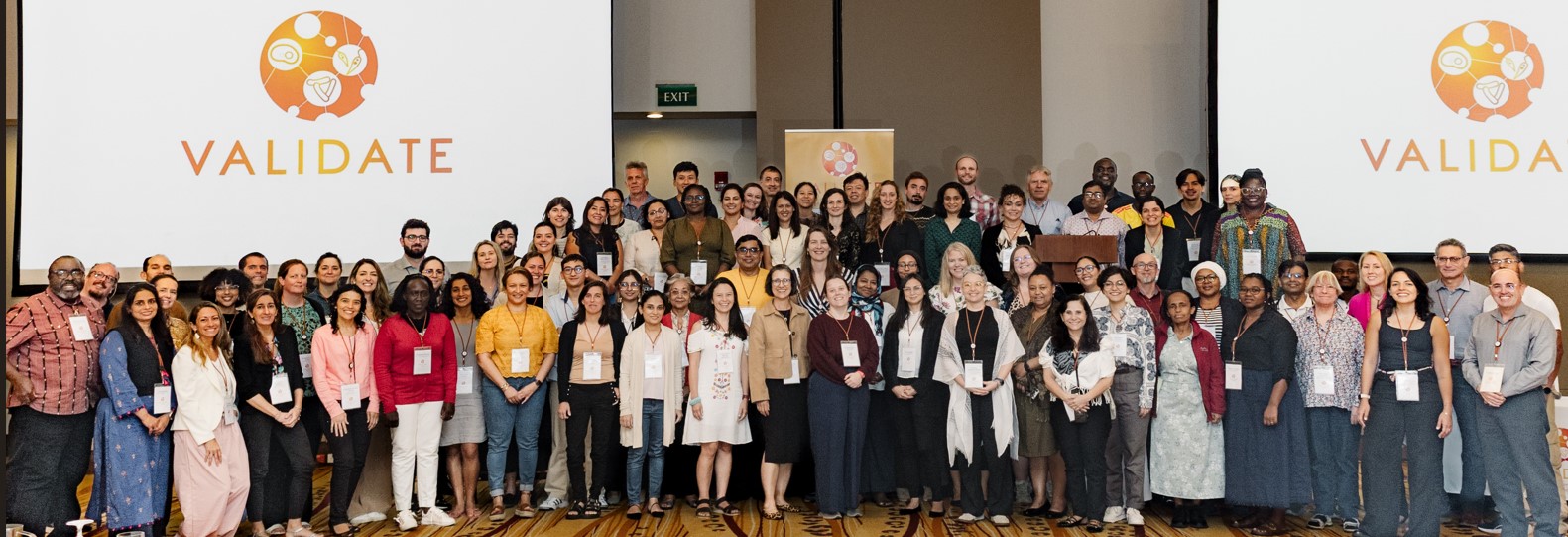
The VALIDATE Annual Meeting 2026 brought together over 80 researchers from 26 countries for three days of scientific discussion, networking and collaboration in Cartagena, Colombia.
Held at the Hyatt Regency Cartagena from 23–25 June, the eighth VALIDATE Annual Meeting showcased research spanning tuberculosis, leishmaniasis, melioidosis, Buruli ulcer and leprosy. The programme brought together early-career researchers, established scientists and international partners working towards the shared goal of accelerating vaccine development for VALIDATE’s focus pathogens of mycobacteria, leishmania species, and Burkholderia pseudomallei.
Alongside the scientific programme, the week included an Early Career Researcher Workshop focused on , structured networking, more than 35 research posters and opportunities for delegates to develop new international collaborations.
VALIDATE Workshop - Becoming Drivers of Change for Vaccines in One Health
Ahead of the Annual Meeting, VALIDATE hosted a three-day One Health Workshop from 17–19 June, bringing together researchers and practitioners working across human, animal and environmental health.

The workshop began with introductory “Turbo Talks” and presentations exploring different One Health careers, before examining how climate, landscapes, livestock systems and wider social and ecological conditions influence the risk and transmission of zoonotic diseases.
The second day focused on engagement beyond academia. Speakers shared practical lessons on influencing policy, working with governments and funders, collaborating with healthcare organisations, and engaging communities and the public. Delegates then mapped the stakeholders with the greatest influence over their own research and considered how to build more effective relationships with them.
On the final day, interactive sessions led by Dr Gill Black and Dr Amanda Gibson helped participants distil their research into clear, audience-focused messages for advocacy and engagement. The workshop concluded with a behavioural and implementation science session led by Dr Simon Payne and Dr Kate Parsons, which supported delegates to identify how they could become more effective drivers of change and turn the week’s discussions into practical commitments.
Find out more on the Becoming Drivers of Change for Vaccines in One Health webpage.
VALIDATE ECR Workshop 2026: Grant Writing and Project Management
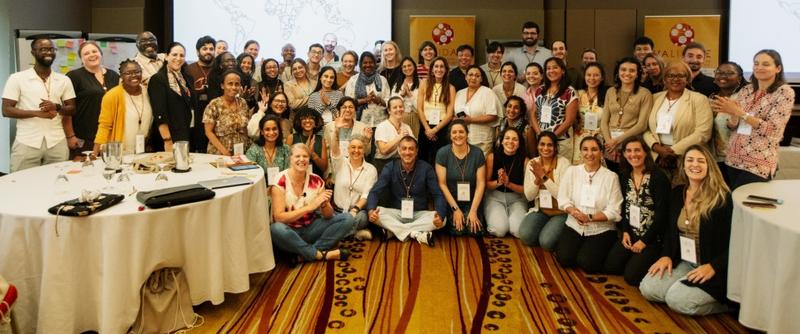
On 22 June, VALIDATE hosted its annual Early Career Researcher Workshop, focusing on grant writing and project management.
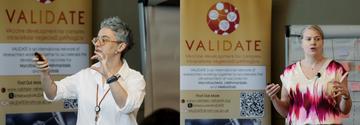
Led by VALIDATE Co-Director Dr María Adelaida Gómez and VALIDATE Network Executive Manager Samantha Vermaak, the workshop guided participants through the process of turning a research idea into a clear, achievable and competitive proposal.
Sessions covered identifying suitable funders and calls, writing clear aims and objectives, developing logic models and timelines, preparing realistic budgets and translating a proposal into a practical action plan. Participants worked through a dedicated workbook and applied the concepts to their own research ideas, combining formal teaching with group exercises, discussion and peer feedback.
The day ended with an informal dinner, allowing attendees to continue conversations and build connections ahead of the main Annual Meeting.
Find out more on the ECR Workshop 2026 Webpage.
VALIDATE Annual Meeting Day One
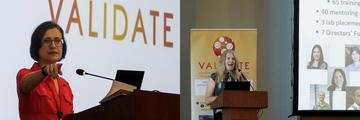
The Annual Meeting officially opened on 23 June with a welcome from Professor Samantha Sampson, VALIDATE Network Director at Stellenbosch University. Professor Sampson welcomed delegates to the eighth Annual Meeting and reflected on the importance of international collaboration in tackling some of the world’s most challenging vaccine research questions. Mrs Samantha Vermaak, VALIDATE Executive Manager at the University of Oxford, followed with an update on the Network’s activities, successes and impact over the previous year.
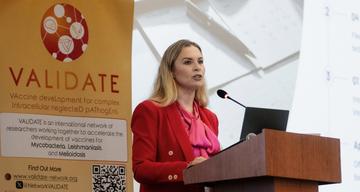
The opening keynote was delivered by Viktoria Bodnarova, Regional Representative for EURAXESS Latin America and the Caribbean. Her talk, Bridging Excellence: Strategic EU–LAC Cooperation for Vaccine R&D and Research Capacity Building, explored opportunities for researchers in Latin America and the Caribbean to engage with Horizon Europe, the Marie Skłodowska-Curie Actions and wider European research networks.
Her presentation highlighted how stronger links between Europe and Latin America can support scientific mobility, build research capacity and enable institutions in the region to lead ambitious international vaccine research collaborations.
The first scientific session showcased the work of VALIDATE’s 2024 Fellows.

Dr Thao-Thy Pham of the Institute of Tropical Medicine Antwerp presented her work identifying and testing naturally presented Leishmania epitopes as potential vaccine candidates. Using immunopeptidomics, her research aims to identify antigens that are genuinely presented to human T cells during cutaneous leishmaniasis, providing a biologically relevant starting point for future vaccine development.
Dr Happy Tshivhula of Stellenbosch University discussed her investigation into the biological factors associated with recurrent tuberculosis. Her project compares the gut microbiome and immune responses of people who have never experienced TB, those who have had the disease once and those who have experienced repeated episodes, with the aim of identifying new targets for preventing recurrence.
Dr Susana Flores Villalva of INIFAP, Mexico, then presented research into the role of bovine neutrophils and γδ T cells during natural Mycobacterium bovis infection. Her project seeks to better understand how these important immune cells interact during bovine tuberculosis and how their responses might be harnessed to improve future cattle vaccines.
Following a joint question-and-answer session, the programme moved to research supported through VALIDATE’s Pump-Priming Grant scheme.

Dr Mrinal Das of the University of Leicester described his investigation into the wider metabolic effects of BCG vaccination. Building on evidence that tuberculosis can disrupt liver function and host metabolism, the project aims to understand whether BCG helps create a healthier and more balanced response to infection.
Following a last-minute cancellation caused by visa difficulties, Dr Cristian Segura-Cerda of CIATEJ, Mexico, joined the Annual Meeting programme to present an update on his VALIDATE Director’s Fund project. Cristian described an outreach initiative that brought vaccine science to around 2,000 children in Zapopan, Mexico, and discussed how he has also used TikTok to communicate scientific ideas to wider audiences.
Dr Luciana Balboa of the University of Buenos Aires-CONICET then discussed a new approach to improving BCG vaccination by accelerating the migration of dendritic cells to the lymph nodes. Her project focuses on the HIF1A pathway, which may help the immune system mount a faster and more effective response following vaccination.
After a Q&A with Mrinal, Luciana and Cristian, Dr Amin Khan reflected on lessons learned during more than 30 years in pharmaceutical and vaccine research and development. Drawing on experience across large pharmaceutical companies and smaller biotechnology organisations, Dr Khan discussed the scientific, strategic and management challenges involved in moving vaccine candidates from the laboratory towards clinical development.
Collaboration Catalyst
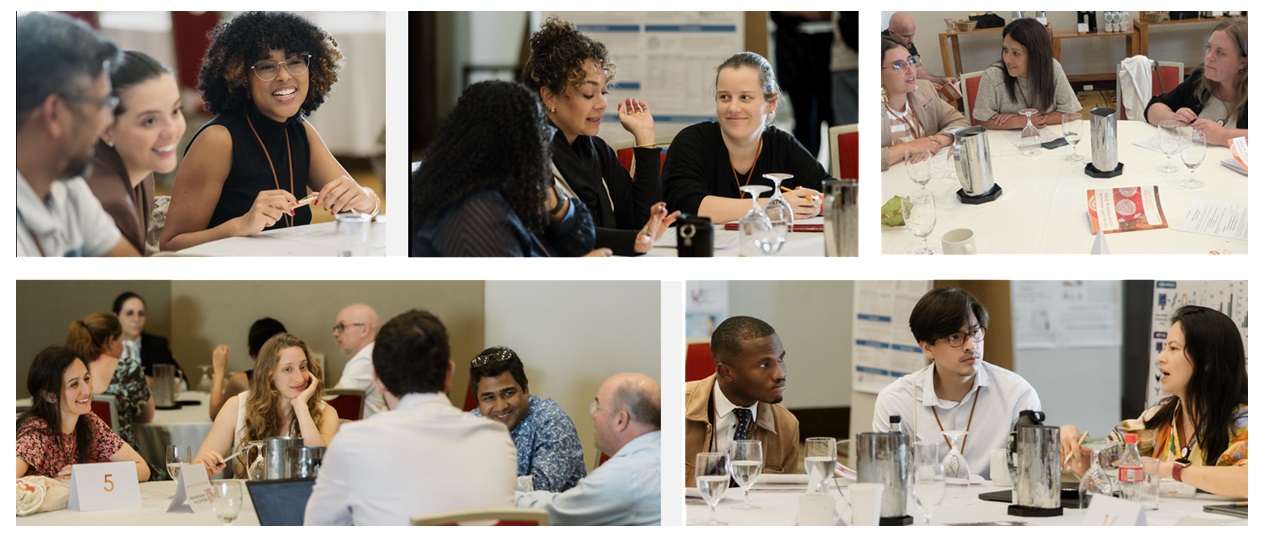
The scientific programme was followed by the Collaboration Catalyst, a new structured networking activity designed to help participants make useful connections during the meeting.
Delegates were divided into groups of five and took part in two focused networking rounds. Each participant introduced their research interests, expertise and collaboration needs before moving to a second group.
The format gave researchers an opportunity to meet colleagues outside their existing professional circles and identify potential partners with complementary skills, samples, technologies or research questions.
Posters, Drinks and the Annual Meeting Dinner
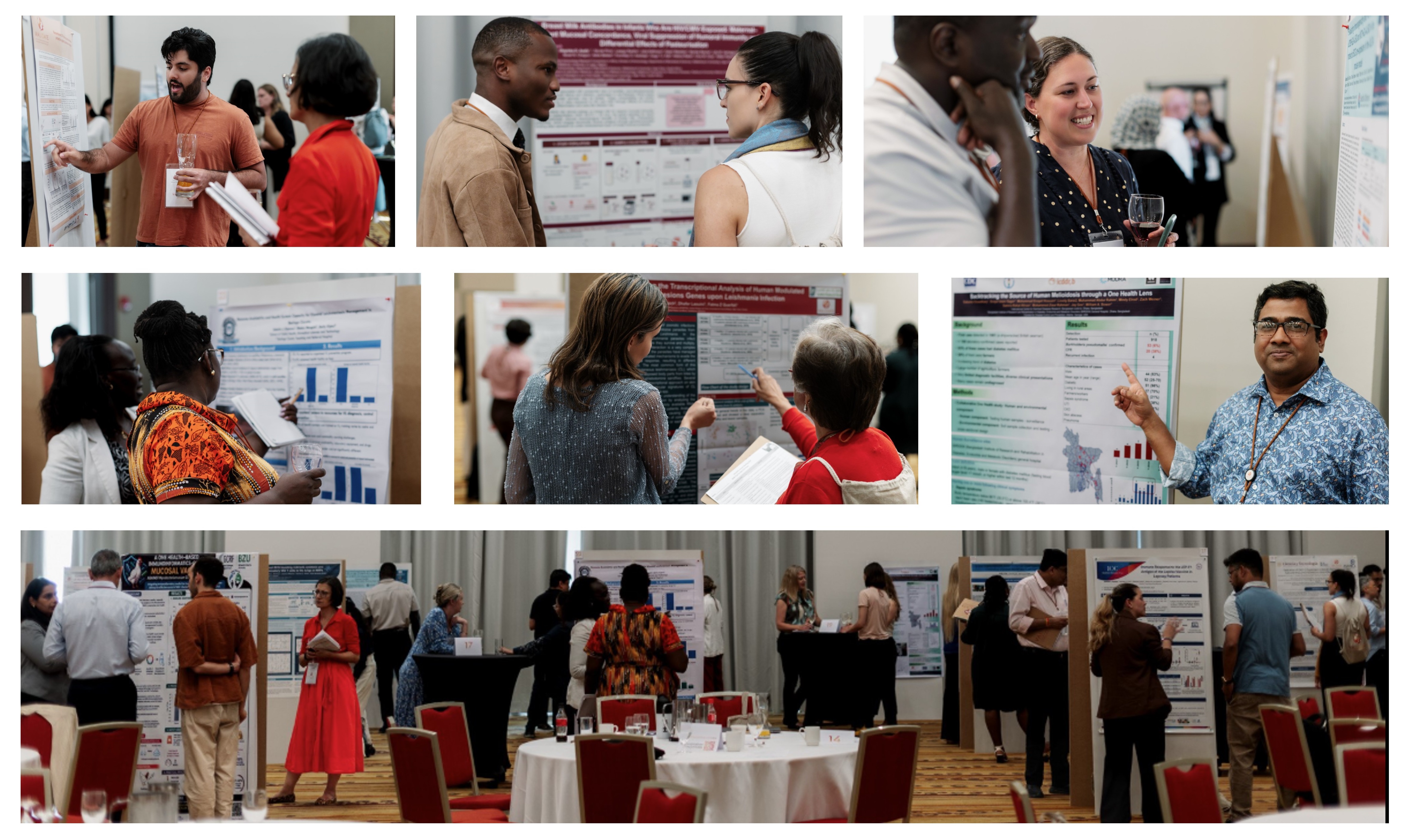
The first day concluded with a lively drinks and poster session featuring more than 35 research posters from across the VALIDATE Network.
Delegates presented work covering VALIDATE’s different pathogen areas and discussed projects ranging from fundamental immunology and antigen discovery to diagnostics, animal models and translational vaccine development.
The session provided an informal setting for early-career researchers to receive feedback, exchange ideas and identify new collaborative opportunities.
The conversation continued at the Annual Meeting Dinner at the Hyatt Regency’s Amacagua Restaurant, where delegates relaxed, spent more time with colleagues from across the Network and even danced.
VALIDATE Annual Meeting Day Two
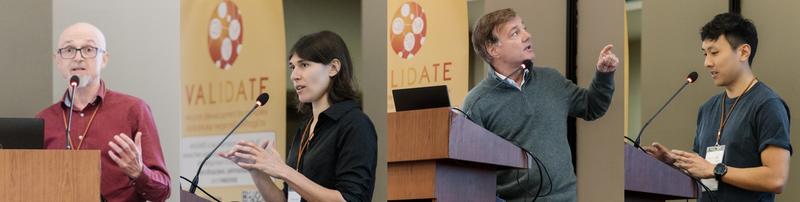
The second day opened with a keynote address from Professor Ed Lavelle of Trinity College Dublin - Vaccine Adjuvant Strategies to Enhance Burkholderia pseudomallei Antigen-Specific Mucosal Immunity. Ed explored the potential of immunostimulatory liposomal adjuvants and “systemic prime, mucosal pull” vaccination strategies to strengthen protection at the sites where respiratory pathogens first establish infection.
The morning’s Pump-Priming session began with Dr Alba Llibre Serradell of the University of Birmingham, who presented a human lung-tissue model for comparing immune responses to BCG and Mycobacterium tuberculosis. By studying infection in the tissue naturally targeted by TB, the project aims to provide a more accurate picture of human immunity and support the design of improved vaccines.
The BURNEP study, led by Dr Suraj Bhattarai of the Global Health Research & Medical Interventions Institute in Nepal, was presented on his behalf by Professor Ivo Steinmetz of the Medical University of Graz. The project is investigating the burden of Burkholderia pseudomallei in Nepal, where melioidosis is thought to be substantially underdiagnosed.
Dr Andy Tran of City St George’s, University of London, then presented comparative testing of the Ag85A, Ag85B and Ag85C proteins as TB vaccine antigens. His project also explores whether a consensus Ag85 sequence combining important features from each protein could support the development of more effective next-generation vaccines.
Alba, Ivo and Andy took questions from delegates, and the next session showcased the work of VALIDATE’s 2025 Fellows.
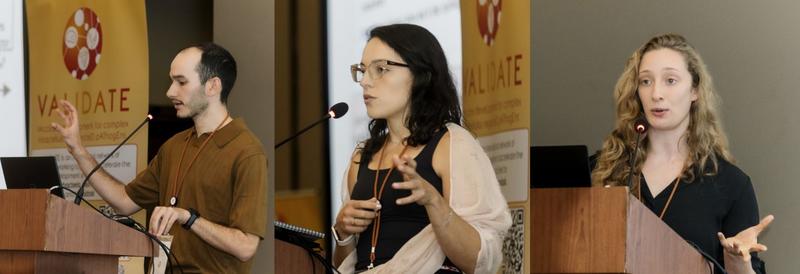
Dr Mariano Maio of the University of Buenos Aires-CONICET discussed a strategy for improving the durability of BCG-induced immunity by supporting stem-like memory T cells. His project is testing whether the naturally occurring compounds L-carnitine and D-mannose can promote longer-lasting protective immune responses.
Dr Camila Freitas of the Federal University of Minas Gerais presented the preclinical development of a recombinant chimeric vaccine for tegumentary leishmaniasis. The candidate combines conserved T-cell epitopes from several important Leishmania species and will be evaluated for both protective efficacy in laboratory models and immunogenicity in human cells.
Dr Monika Looney of the South African Tuberculosis Vaccine Initiative and the University of Cape Town described a pilot study using single-cell and spatial techniques to map immune responses in human lymph nodes affected by TB. The project addresses an important gap in vaccine research, as lymph nodes are central to the initiation of immunity but are rarely examined directly in human studies.
Mariano, Camila and Monika were then cross-examined by delegates in the Q&A session before delegates continued the dicussions over lunch,
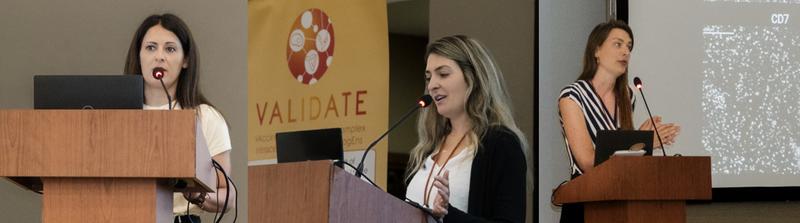
After lunch, Dr Elena Stylianou of the University of Oxford presented research into how BCG priming influences the immune response to a subsequent subunit vaccine boost. Her work aims to define the mechanisms behind this effect and inform the design of more effective prime–boost vaccination strategies for tuberculosis.
Dr Daniela Pagliara Lage of the Federal University of Minas Gerais then discussed the evaluation of a recombinant chimeric protein vaccine combined with an adjuvant for protection against visceral leishmaniasis. Her research is exploring whether the candidate can generate the immune responses needed to support future vaccine development against this neglected disease.
Dr Paula Niewold of Leiden University Medical Center presented work translating protective immune signatures identified in the lung into biomarkers that could be measured in peripheral blood. By finding more accessible indicators of protective immunity, the project could support the evaluation of future TB vaccine candidates without relying on difficult-to-obtain lung samples.
Elena. Daniela and Paula then sat down for a Q&A.
Dr Susana Flores Villalva of INIFAP, Mexico, then returned to the programme with a One Health-focused talk, Vaccines Across Species: Understanding Mechanisms, Importance, and Shared Benefits Under a One Health Approach. Her presentation explored how vaccine research across human and animal health can generate shared knowledge and contribute to the control of diseases affecting both people and livestock.
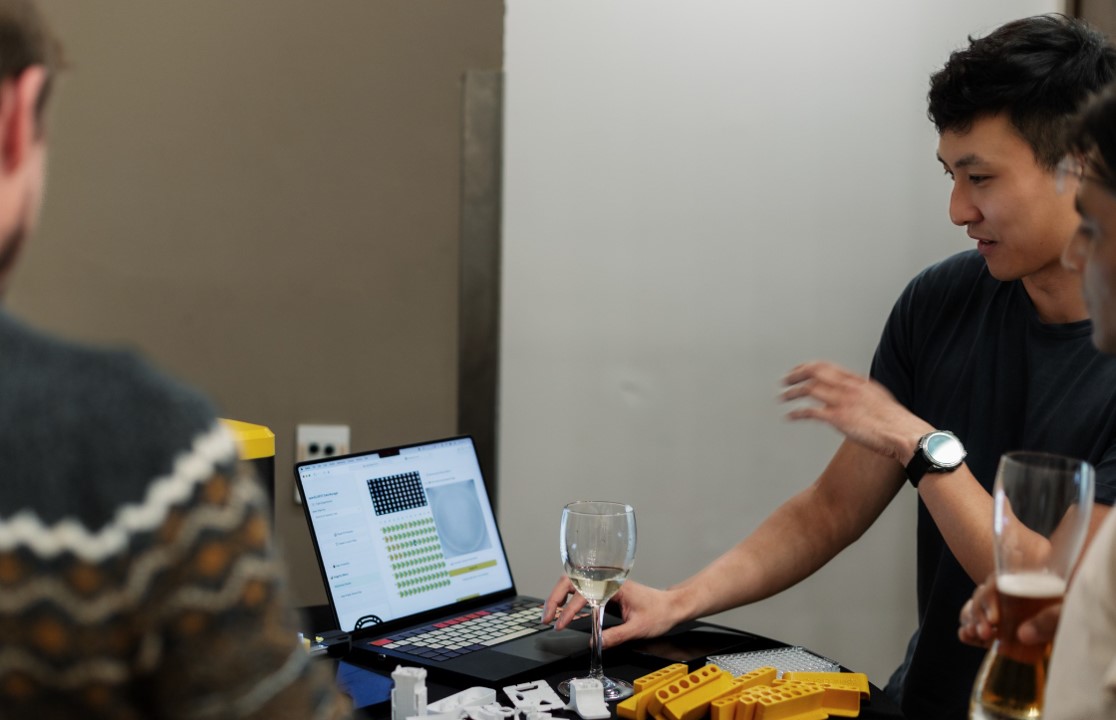
Following the afternoon break, Dr Andy Tran of City St George’s, University of London, returned to the stage to present the design and development of an open-source ELISpot reader enabled by 3D printing. The project aims to make this important immunological technology more affordable and accessible to laboratories with limited resources. Andy Also demostrated his new project at the poster session and during the rest of the Annaul Meeting.
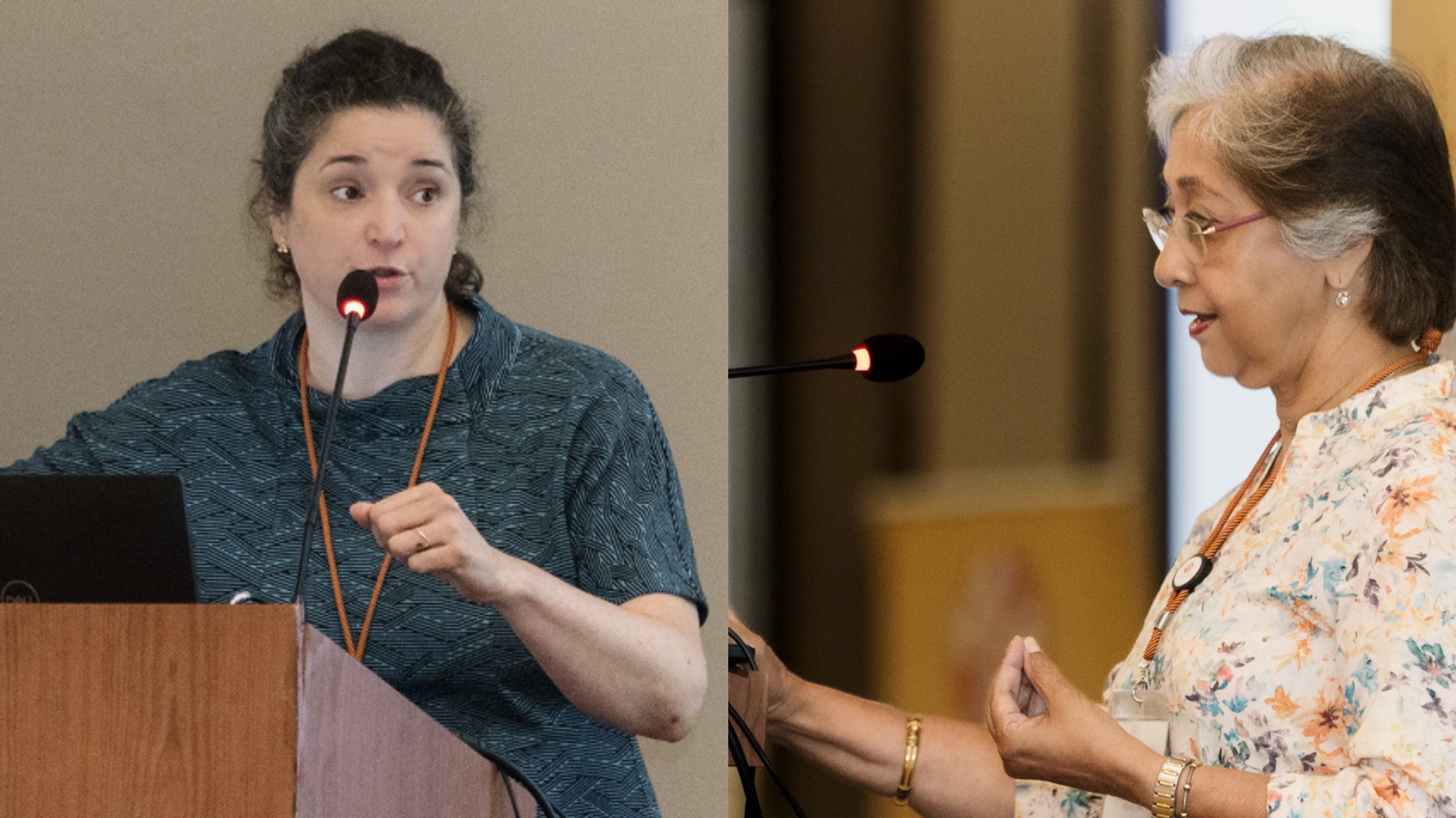
Professor Mitali Chatterjee of IPGMER, India, presenting an update on the VALIDATE funded Innovative Diagnosis for PKDL/Leprosy Project. She described progress towards developing practical and affordable diagnostic tools that could support earlier identification and treatment of post-kala-azar dermal leishmaniasis and leprosy.
Dr Mariana Delfino-Machin wrapped provided an update on current funding opportunities available through the Medical Research Council, along with an overview of recent changes to funding processes. She provided delegates with practical insight into the current landscape, what these changes mean for applicants, and how researchers can best position themselves for future opportunities.
VALIDATE Annual Meeting Day Three
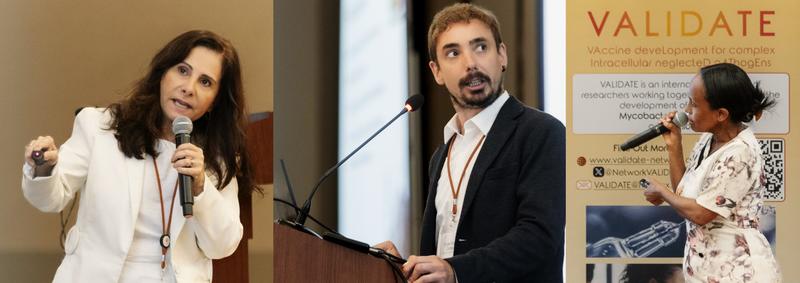
The final day opened with a keynote address from Professor Ana Paula Fernandes of the Federal University of Minas Gerais, Brazil. Her talk, Challenges and Progress Towards Therapeutic Clinical Trials of a New Recombinant Vaccine for Visceral Leishmaniasis, explored the development of a recombinant vaccine candidate from laboratory research towards clinical evaluation.
Dr Julen Tomás Cortázar of University College Dublin discussed approaches to creating versatile and affordable multivalent vaccines. His research focuses on vaccine platforms capable of presenting antigens from different pathogens while remaining practical and cost-effective to manufacture.
Assistant Professor Menberework Negatue of the Armauer Hansen Research Institute in Ethiopia then presented research comparing immune responses at the sites of chronic tuberculosis lymphadenitis and cutaneous leishmaniasis. Using archived tissue samples and RNA sequencing, the project aims to identify immune signatures associated with persistent infection and understand how these responses may limit the effectiveness of vaccination.
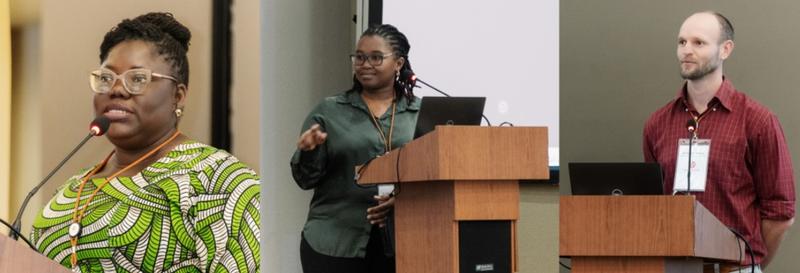
Following a Q&A with Julen and Menberwork and the morning break, Professor Lydia Mosi of the University of Ghana presented The “Lost Genome” of Mycobacterium ulcerans: Insights for Infection and Transmission. Her talk examined the extensive genetic changes undergone by the bacterium responsible for Buruli ulcer and considered what its lost and retained genes can reveal about how the pathogen survives, spreads and causes disease.
Dr Zimvo Obasa of Stellenbosch University presented work on curdlan-PLGA nanoparticles containing M. tuberculosis antigens. The platform is designed to improve antigen delivery and stimulate stronger immune responses, offering a potential route towards more effective TB vaccines.
Dr Robert Krause of Stellenbosch University then discussed a DNA-launched therapeutic vaccine candidate for tuberculosis. The project is assessing the candidate alongside drug treatment in a model of drug-resistant TB and comparing the results with a human three-dimensional granuloma system.
Lydia, Zimvo and Robert then took questions from the Audence before delegates moved on to Lunch.
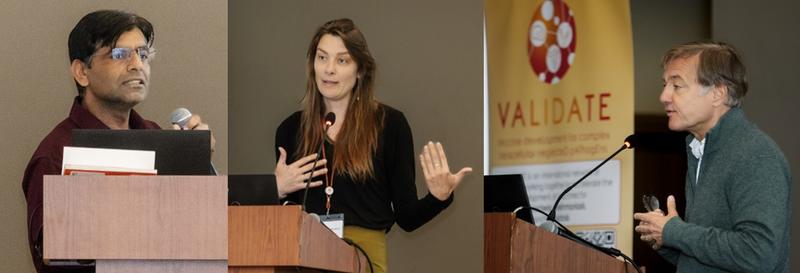
After lunch, Associate Professor Suraj Parihar of the University of Cape Town presented research into the role of Sestrin 2 in tuberculosis. His work showed how the stress-response protein may help control damaging inflammation and lung pathology during Mycobacterium tuberculosis infection, highlighting its potential as a target for host-directed therapies.
Dr Paula Niewold of Leiden University Medical Center then presented the CCR4LEP project on behalf of Principal Investigator Dr Anouk van Hooij and project collaborator Dr Abu Sufian Chowdhury. The study is investigating the CCR4–CCL22 immune pathway as a possible correlate of protection against leprosy, with the longer-term aim of informing new vaccines and preventive treatments.
Professor Ivo Steinmetz of the Medical University of Graz followed with an update on Melio MuSe, a multiplex serology project supporting the development of multicomponent vaccines against melioidosis. The work combines antigen discovery with improved diagnostic tools capable of distinguishing natural infection, exposure and vaccine-induced immune responses.
Suraj, Paula, and Ivo then took part in the final Q&A panel of the meeting.

Following the afternoon break, Associate Professor Marcela Henao-Tamayo of Colorado State University explored how mucosal priming and biological sex can influence the effectiveness of tuberculosis vaccines. Her presentation highlighted the role of environmental mycobacterial exposure, pulmonary immune responses and sex-specific differences in shaping protection against TB.
The final presentation of the meeting came from Dr Alison Kraigsley of the Gates Foundation, who provided an overview of current funding opportunities and priorities in tuberculosis vaccine development. Her session offered delegates practical insight into the Foundation’s approach to supporting global health research and how researchers might engage with future funding opportunities.
Professor Samantha Sampson then brought the eighth VALIDATE Annual Meeting to a close, reflecting on three days of scientific exchange, new connections and shared commitment to accelerating vaccine development.
Building A Global Community for Vaccine Research
Over three days, delegates not only heard about cutting-edge vaccine research targeting mycobacteria, leishmaniasis, and melioidosis, but also built connections and explored new collaborations with researchers from around the world and at every career stage.
Feedback: Collaboration, Science and Community
Feedback from delegates was extremely positive. All respondents rated the Annual Meeting as either excellent or very good, with participants particularly praising the scientific programme, networking opportunities, organisation and welcoming atmosphere.
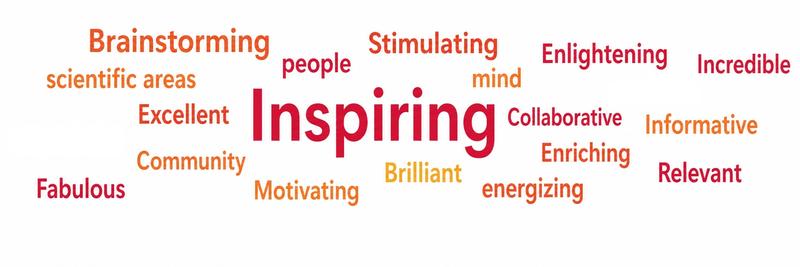
We are especially pleased that 82% of attendees reported forming a potential new collaboration. We encourage members to get in touch and tell us more about any partnerships or projects that develop as a result of the meeting.

