Pathogens

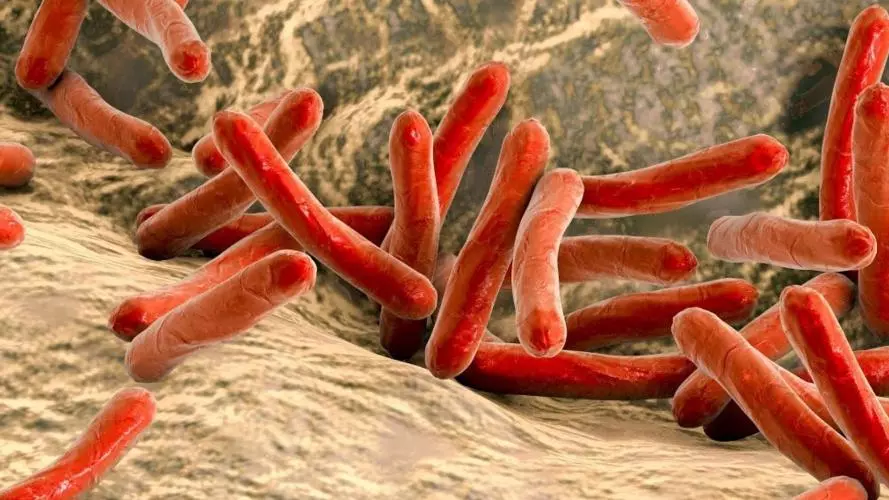
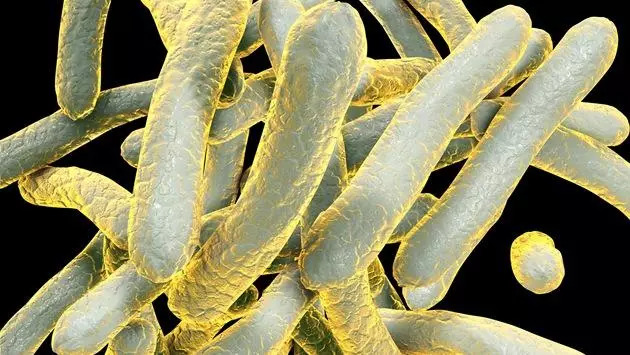
VALIDATE focuses on three pathogens groups that cause diseases that have significant impact on low and middle-income countries: Mycobacterium (causing TB, leprosy and other diseases), leishmanias (leishmaniasis), and Burkholderia pseudomallei (melioidosis).

Click below to find out more about these diseases and our research on the pathogens that cause them:
Tuberculosis

Tuberculosis

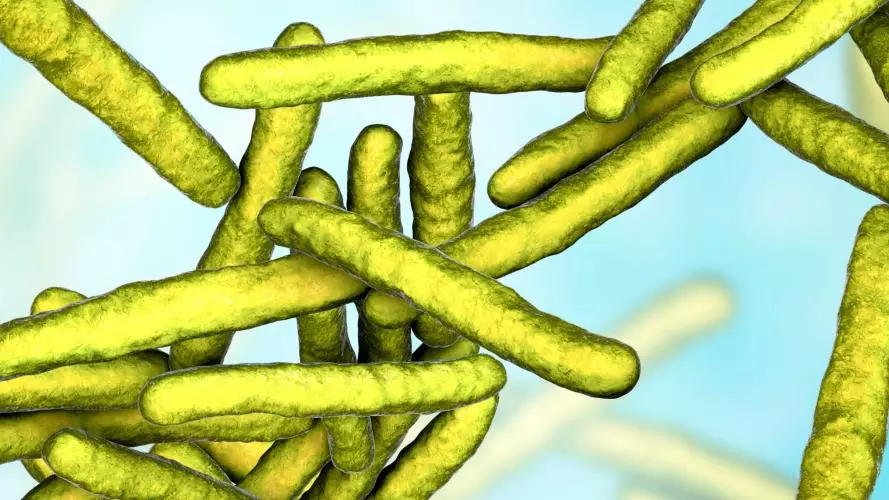
Tuberculosisis is a global disease caused by a bacterium, Mycobacterium tuberculosis. In 2024, an estimated 10.7 million people developed TB and 1.23 million died.
leishmania

Leishmaniasis

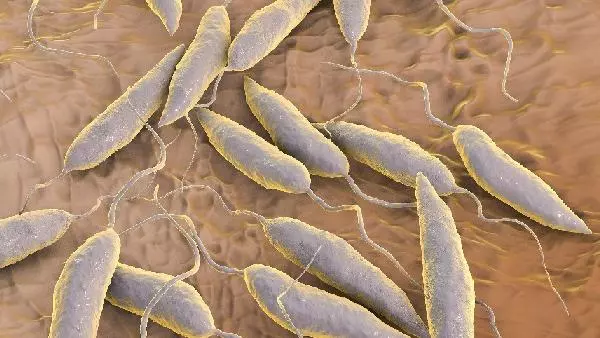
Leishmaniasis is a group of diseases caused by single-celled Leishmania parasites. It affects an estimated 12 million people worldwide, with 700,000 to one million new cases each year.
burkholderia pseudomallei

Melioidosis

Melioidosis is caused by a bacterium, Burkholderia pseudomallei, and is found across tropical and semi-tropical regions. An estimated 165,000 people develop melioidosis annually with 89,000 of these cases being fatal.
Leprosy

Leprosy

Leprosy is a chronic neglected disease caused by the bacterium Mycobacterium leprae. There are an estimated 120,000 new cases of leprosy are diagnosed every year.
Mycobacterium tuberculosis

Buruli ulcer

Buruli ulcer is a chronic neglected tropical disease caused by Mycobacterium ulcerans, primarily affecting the skin and soft tissue in tropical and subtropical regions with limited healthcare access.