Tuberculosis
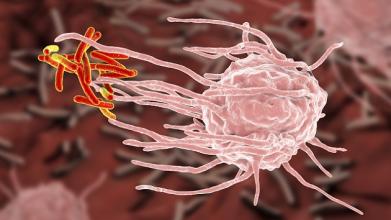
Tuberculosis (TB) is a disease caused by the bacterium Mycobacterium tuberculosis (M.tb) and occurs worldwide. According to the WHO Global Tuberculosis Report 2025, an estimated 10.7 million people developed TB and 1.23 million died in 2024, including 150,000 people living with HIV. TB is the world’s leading cause of death from a single infectious agent.
Aside from causing death, TB impairs general health, reduces economic productivity and places substantial social and financial burdens on families. WHO estimates that around 50% of people treated for TB and their households face catastrophic costs, exceeding 20% of annual household income. These include healthcare expenses, other costs associated with accessing treatment and lost income. Animal diseases such as bovine (cow) TB also significantly affect livelihoods and economic development.
About Tuberculosis (TB)
Where is TB found?
TB occurs in every part of the world. In the UK, where TB used to kill 1 in 4 people in Victorian times, only 5,000-6,000 people now develop TB each year. TB is a disease of poverty.with over 80% of cases and deaths in low- and middle-income countries. In 2024, the WHO South-East Asia, Western Pacific and African regions accounted for 34%, 27% and 25% of new cases respectively.
Around one-quarter of the world’s population is estimated to have been infected with TB bacteria. People with TB infection generally have no symptoms and are not infectious. Around 5–10% will develop TB disease during their lifetime. The risk is higher for people living with HIV and others with weakened immune systems.
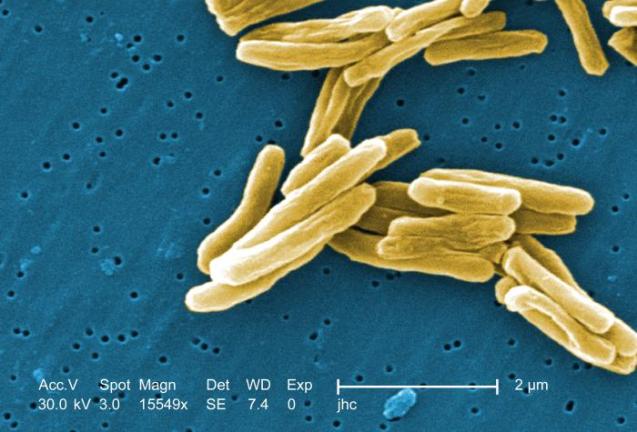
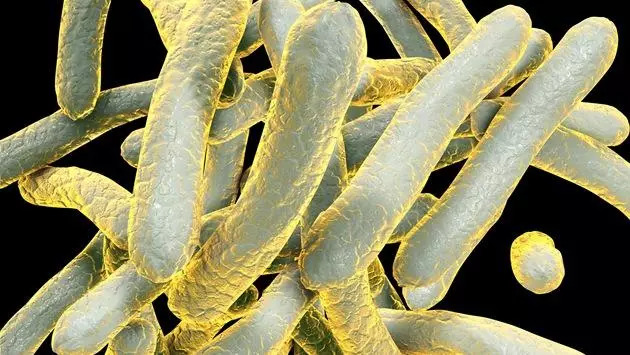
Mycobacterium tuberculosis (credit: CDC)
How is TB spread?
TB spreads through the air when people with infectious TB cough, sneeze or spit. Other people can become infected by inhaling the bacteria.
What are the symptoms of TB?
TB usually affects the lungs, causing symptoms such as a persistent cough, fever, night sweats, tiredness and weight loss. It can also affect other parts of the body, including the spine, brain and kidneys. Without treatment, TB can be fatal. Find out more on the WHO TB factsheet.
Is TB curable?
TB is curable with antibiotics. Treatment for drug-susceptible TB generally takes four to six months, depending on the regimen. Drug-resistant TB requires different medicines; eligible patients can now receive six-month, all-oral regimens, although longer treatment is still needed in some cases.
Developing more effective TB vaccines remains an important global public health goal. WHO’s End TB Strategy aims to reduce TB incidence by 80% and TB deaths by 90% by 2030, compared with 2015.
Vaccines against TB
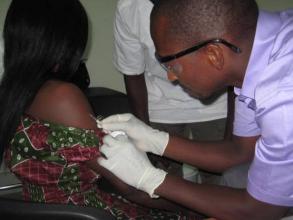
The current TB vaccine, BCG (Bacille Calmette-Guérin), was first used in humans in 1921, making it more than 100 years old. It protects young children against severe forms of TB, but protection against pulmonary (lung) TB, particularly in adolescents and adults, is variable. More effective vaccines are urgently needed.
VALIDATE
By bringing together TB researchers from around the world, VALIDATE aims to accelerate progress towards improved vaccines against this deadly disease. Connecting researchers across different pathogens, disciplines and institutions helps members exchange knowledge, develop new ideas and build international collaborations.
Further Information:
‘Exposed: The Race Against TB' – informative and interesting short films about TB and TB research
Medicins Sans Frontieres (MSF) - information and videos
World Health Organisation – Status of the Global TB Epidemic and Response infographic
World Health Organisation - End TB Strategy document
Mycobacterium tuberculosis (M.tb) is a pathogen with worldwide preponderance, which infects humans causing tuberculosis (TB), a transmissible disease resulting in very high mortality and morbidity. M.tb can also infect cattle and cause bovine TB and is very closely related to Mycobacterium bovis, which causes most bovine TB.
It is estimated that a third of the world's population is latently infected with M.tb, and these people carry a 10% lifetime risk of developing active life-threatening disease (Dye 1999). In 2019, there were 10 million new cases worldwide and 1.4 million people died of TB (WHO 2019). Co-infection with human immunodeficiency virus (HIV) greatly increases risk of TB reactivation and death (Corbett 2006, Colditz 1994). The emergence of drug resistant strains of M.tb has further compounded the problem. The diagnosis of TB is challenging and drug treatment can be prolonged, harmful, costly and complex. For these reasons an effective vaccine is a global public health priority. An effective vaccine could revolutionise TB control (McShane 2011).
The challenges of developing a TB vaccine
Developing an effective TB vaccine is not easy. We already have a vaccine, BCG, which is one of the world's most widely used vaccines. BCG was first developed in 1921. When given at birth, BCG is good at protecting against severe disease in childhood. However the protection it confers against lung disease, particularly in adults, is highly variable. We urgently need a more effective vaccine.
Some of the scientific challenges in TB vaccine development are:
Lack of immune correlates
For some vaccines, we know exactly the level of a particular kind of immune response that is needed for the vaccine to work – i.e. to stop someone getting disease. For TB, we do not know what kind of immune response is needed, let alone what level of response is required. This means we can only test if a vaccine works in humans by doing large, expensive and time consuming human efficacy trials. This limits the number of vaccines that can be tested in humans.
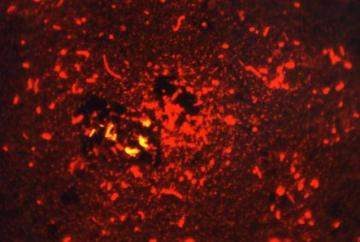
Fluorescent acid-fast stained smithwick photomicrograph of Mycobacterium tuberculosis (credit: CDC)
Uncertain predictive value of animal models
It is not possible to test a vaccine in humans without testing it first in animals. However we do not know which if any of the animal models best predicts efficacy in humans. Again, this means we can only determine if a vaccine will work in humans by testing it in large, expensive, human efficacy trials.
Difficulty of working with TB in the lab
M.tb is a highly infectious pathogen, which means we can only safely work with it in the lab using special containment measures (called Category or BSL 3). This limits the number of laboratories that can work on M.tb.
The variable efficacy of BCG
The currently available vaccine, BCG, works very well in the UK but does not work in India, Africa or other countries where TB remains endemic. We do not fully understand the reason for this but it is important that any new vaccine works well across the world, including in the high burden countries most in need of an effective vaccine.
How VALIDATE is helping
By bringing together researchers working on different (but similar) pathogens, discoveries in one field can be more quickly taken advantage of in research against another pathogen. Bringing together researchers from different disciplines and institutes in new collaborations means knowledge can be exchanged and new research ideas for the field can be generated and investigated. Bringing new researchers into this field, and progressing the careers of early career researchers, will aid with new ideas and the continuation of the field into the future.
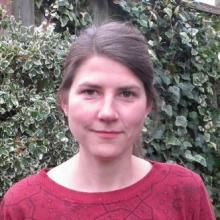
Natural variation of the bovine lymph node microenvironment and its possible effect on BCG immunogenicity
Led by Dr Lucia Biffar (University of Oxford, UK), with Dr Bernardo Villarreal-Ramos (APHA, UK) and Prof Tracy Hussell (University of Manchester, UK)
Read more here
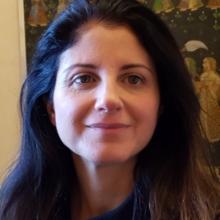
Enhancing BCG efficacy: the Social Technology Lab Initiative
Led by Assist Prof Delia Boccia (LSHTM, UK), with Dr Jenn Dowd (KCL, UK), and Prof Helen Fletcher (LSHTM, UK)
Read more here
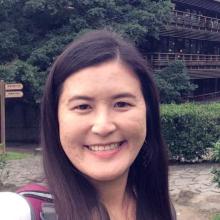
Establishment of a functional assay panel to evaluate the role of antibodies in defence against melioidosis and tuberculosis
Led by Dr Panjaporn Chaichana (MORU, Thailand), with Prof Susanna Dunachie (University of Oxford, UK), and Prof Helen Fletcher (LSHTM, UK)
Read more here
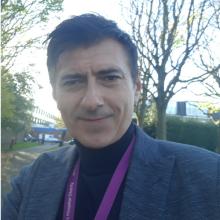
Overcoming innate immune tolerance in the respiratory tract for optimal vaccine design
Led by Dr Rajko Reljic (SGUL, UK) with Prof Tracy Hussell (University of Manchester, UK)
Read more here
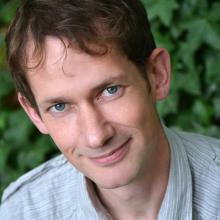
How do functional and metabolic characteristics of trained monocytes affect their anti-bacterial activity?
Led by Asst Prof Steven Smith (LSHTM, UK), with Dr Javier Sanchez-Garcia (Instituto Politécnico Nacional, Mexico), Prof Jo Prior (dstl, UK), and Prof Gregory Bancroft (LSHTM, UK)
Read more here
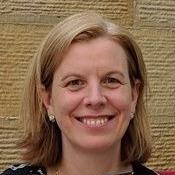
Vaccines to target people with diabetes: characterising the pathways of immune response to M. tuberculosis and B. pseudomallei in people with diabetes compared to non-diabetics
Led by Prof Susanna Dunachie (University of Oxford, UK), with Assistant Prof Jacqueline Cliff (LSHTM, UK), and Prof Gregory Bancroft (LSHTM, UK)
Read more here
Identification of Leishmania donovani and Mycobacterium tuberculosis- derived proteins on the surface of infected macrophages that are associated with ADCC induction
Led by Dr Mohamed Osman (University of York, UK), with Prof Paul Kaye (University of York, UK), Dr John Pearl (University of Leicester, UK) and Prof Andrea Cooper (University of Leicester, UK)
Read more here
Identification of latency associated antigens and biosignatures associated with Mycobacterium tuberculosis
Dr Jomien Mouton (University of Stellenbosch, South Africa) - VALIDATE Fellowship
Read more here
Characterising the BCG-induced antibody response to inform the design of improved vaccines against M.tuberculosis, M.leprae and M.bovis
Dr Rachel Tanner (University of Oxford, UK) - VALIDATE Fellowship
Read more here
Metabolic reprogramming of skin microenvironment for improved BCG vaccine efficacy
Led by Titular Prof Francisco Javier Sánchez-García (Instituto Politécnico Nacional, Mexico), with Dr Steven Smith (LSHTM, UK), Dr Barbara Kronsteiner-Dobramysl (University of Oxford, UK) and Prof Hazel Dockrell (LSHTM, UK)
Read more here

Development of an RNA based vaccine against Mycobacterium tuberculosis
Led by Dr Rhea Coler (IDRI, USA), with Prof Helen Fletcher (LSHTM, UK)
Read more here
Developing a mouse model of diabetes to evaluate vaccines for TB and melioidosis
Led by Dr Elena Stylianou (University of Oxford, UK), with Prof Helen McShane (University of Oxford, UK), Assoc Prof Susanna Dunachie (University of Oxford, UK), Assoc Prof Paul Brett (University of Nevada, USA), Dr Barbara Kronsteiner-Dobramysl (University of Oxford, UK) and Dr Panjaporn Chaichana (MORU, Thailand)
Read more here

Cross protection against TB by attenuated Mycobacterium ulcerans strain 5114
Led by Dr Justice Boakye-Appiah (SGUL, UK), with Dr Rajko Reljic (SGUL, UK) and Dr Tufária Mussá (Eduardo Mondlane University, Mozambique)
Read more here

Characterising the cellular immunity and metabolic response to Mycobacterium tuberculosis and Burkholderia pseudomallei in Indian patients for vaccine design
Led by Prof Chiranjay Mukhopadhyay (Manipal Academy of Higher Education, India), with Prof Susanna Dunachie (University of Oxford, UK) and Prof Mitali Chatterjee (IPGMER, India)
Read more here
T cell receptor sequencing to identify correlates of protection in human tuberculosis vaccine studies
Led by Dr Gabriele Pollara (UCL, UK), with Prof Mahdad Noursadeghi (UCL, UK), Assoc Prof Susanna Brighenti (Karolinska Institutet, Sweden), Assoc Prof Senait Ashenafi (Addis Ababa University, Ethiopia) and Prof Benny Chain (UCL, UK)
Read more here
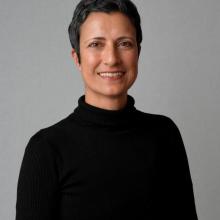
An ex vivo model for understanding the impact of vaccination on Mycobacterial persister populations
Led by Prof Samantha Sampson (Stellenbosch University, South Africa), with Asst Prof Andrea Zelmer (LSHTM, UK) and Dr Jomien Mouton (Stellenbosch University, South Africa)
Read more here
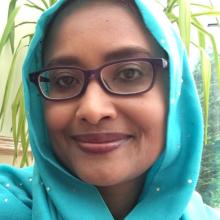
Investigating the BCG-induced Natural Killer (NK) cell response in cattle and humans
Led by Dr Iman Satti (University of Oxford, UK), with Asst Prof Stephen Cose (UVRI, Uganda), Prof Helen McShane (University of Oxford, UK), Prof Alison Elliott (UVRI, Uganda) and Prof Jayne Hope (University of Edinburgh, UK)
Read more here
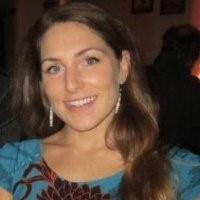
Cytomegalovirus as a risk factor for TB and leishmaniasis
Led by Dr Lisa Stockdale (University of Oxford, UK), with Dr Robindra Basu Roy (LSHTM, UK), Dr Vivian Tamietti Martins (Federal University of Minas Gerais, Brazil), Assoc Prof Eduardo Coelho (Federal University of Minas Gerais, Brazil), and Prof Helen Fletcher (LSHTM, UK)
Read more here
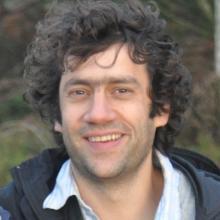
Innovative tools to measure mycobacterial antigen expression in tissue
Led by Dr Simon Waddell (University of Sussex, UK), with Dr Javier Salguero Bodes (PHE, UK), Prof Gobena Ameni (Addis Ababa University, Ethiopia), Dr Sally Sharpe (PHE, UK) and Dr Ann Rawkins (PHE, UK)
Read more here
- Brazier B & McShane H. Towards new TB vaccines. Semin Immunopathol. 2020 Jun;42(3):315-331.
- Scriba TJ, Coussens AK, Fletcher HA. Human Immunology of Tuberculosis. Microbiol Spectr. 2017 Jan;5(1).
- Hatherill M, Tait D, McShane H. Clinical Testing of Tuberculosis Vaccine Candidates. Microbiol Spectr. 2016 Oct;4(5).
- Raviglione M, Sulis G. Tuberculosis 2015: Burden, Challenges and Strategy for Control and Elimination. Infect Dis Rep. 2016 Jun 24;8(2):6570.
- Cardona PJ, Williams A. Experimental animal modelling for TB vaccine development. Int J Infect Dis. 2017 Mar;56:268-273.
- World Health Organisation - End TB Strategy document.
References
1. Dye, C., et al., Consensus statement. Global burden of tuberculosis: estimated incidence, prevalence, and mortality by country. WHO Global Surveillance and Monitoring Project. JAMA, 1999. 282(7): p. 677-86.
2. WHO, Tuberculosis Factsheet 2020. (accessed 15/12/20).
3. Corbett, E.L., et al., Tuberculosis in sub-Saharan Africa: opportunities, challenges, and change in the era of antiretroviral treatment. Lancet, 2006. 367(9514): p. 926-37.
4. Colditz, G.A., et al., Efficacy of BCG vaccine in the prevention of tuberculosis. Meta-analysis of the published literature. JAMA, 1994. 271(9): p. 698-702.
5. McShane, H., Tuberculosis vaccines: beyond bacille Calmette-Guerin. Philos Trans R Soc Lond B Biol Sci, 2011. 366(1579): p. 2782-9.