
Small Equipment Grants
**This grant type has been discontinued**
The VALIDATE Network aims to accelerate vaccine research and development for complex intracellular pathogens that cause diseases significant to low and middle-income countries (LMIC), with a focus on Mycobacteria, Leishmania spp, and Burkholderia pseudomallei. VALIDATE also aims to facilitate Continuing Professional Development (CPD) and career progression amongst its members.
To support these aims, small equipment grants are available, of up to £10,000 per laboratory, to help LMIC VALIDATE members purchase essential small equipment laboratory items (e.g. microscopes, centrifuges, incubators, freezers, fridges, pipettes, waterbaths etc) that will improve their research.
Eligibility: Applicants must be a VALIDATE Associate or Investigator member, based in an LMIC.
This is the only planned call of this type. Please see the further details below about this award and how to apply. Please submit your application form and associated documents as one pdf to the VALIDATE Network Manager (VALIDATE@ndm.ox.ac.uk) by the call deadline. Do contact the Network Manager at the same address with any queries about the form or the application process.
Application Documents


List of LMICs (all countries listed on this document count as 'LMIC')
Call Timelines
Call opens: 5 October 2022
Call closes: 31 October 2022
Review & Outcomes: late November 2022
Grant Awardees 2023
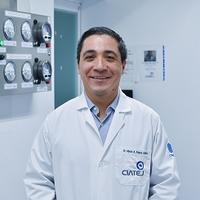
Dr Mario Flores-Valdez, CIATEJ, Mexico - TC20 Automated Cell Counter
The automated cell counter Luna II has been used in internal and collaborative projects to determine immune profiles of lung or spleens cells in response to various BCG derivatives. The use of this equipment has dramatically increased time efficiency and reduced the risk of errors - in order to re-stimulate cells ex vivo with mycobacterial antigens, it is necessary to confirm viability of cells that will be exposed to antigens, which was a process previously done manually with the risk of reducing viability or introducing human-derived errors in assessing viability.
The equipment is used by research associates, postdocs, and graduate students of the medical and pharmaceutical biotechnology department at CIATEJ, and we anticipate continuing using this automated cell counter for other projects where derivatives of BCG continue to be developed and characterized, as well as other vaccine candidates being developed at CIATEJ.

Assoc Prof Suraj Parihar, University of Cape Town, South Africa - Eppendorf Galaxy 170 R CO2 Incubator for BSL3 facilities
The acquisition of an Eppendorf Galaxy CO2 incubator doubled capacity in our BSL3 facilities and has been essential for advancing our infectious disease research objectives, particularly in the study of Mtb across multiple areas including diagnostics, drug discovery, transmission, mechanisms of action, and much more. The equipment has been essential for four different research projects to date, totalling >£5M, and is used by postgraduate students, postdocs, PIs and visiting scientists.