VALIDATE Workshop - Becoming Drivers of Change for Vaccines in One Health
Event Report
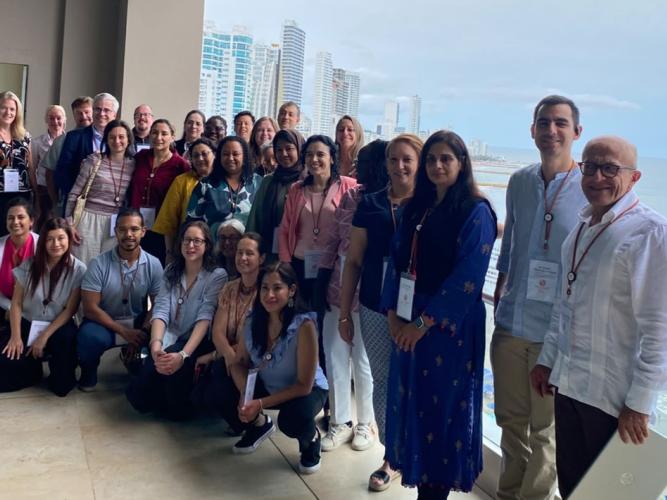
Ahead of the 2026 VALIDATE Annual Meeting, around 30 researchers, practitioners and invited speakers came together in Cartagena for a three-day workshop exploring how One Health vaccine research can translate into meaningful real-world change.
The VALIDATE Workshop: Becoming Drivers of Change for Vaccines in One Health was designed to encourage participants to look beyond scientific questions alone and consider the wider environmental, political, social and behavioural factors that determine whether research ultimately has an impact. Across three days of talks, case studies, practical exercises and group discussions, delegates explored how to engage effectively with communities, governments, funders and other stakeholders, and how to communicate their research in ways that support influence, collaboration and action.
"Bringing together professionals from a variety of disciplines united by the One Health view was very good."
Day One - Introductions and Understanding the Wider One Health Environment
The workshop opened with short introductory "Turbo Talks2 from delegates, giving everyone the opportunity to learn more about the expertise, experiences and research interests represented in the room. This was complemented by a series of "A Day in the Life" presentations from Dr Tuhina Gupta, Dr Juan Dib, Dr Lin-Mari de Klerk-Lorist and Dr Ernesto Jaramillo, highlighting the very different settings in which One Health researchers and practitioners work.
The remainder of the first day focused on Environmental Health in One Health Research, examining how climate, landscapes, livestock systems and wider environmental conditions influence disease risk and transmission.
Prof Natalia Cediel Becerra was unable to attened, but still opened the session by with a recorded talk exploring equity and prevention at source within One Health, followed by Dr Camilo Barrios-Pérez on climate adaptation and forecasting. Dr Soledad Barandiaran explored environmental and anthropogenic drivers of zoonotic tuberculosis at the wildlife-livestock interface, while Prof Bassirou Bonfoh provided a prerecorded exploration on the social-ecological determinants of health and disease surveillance systems in Africa. Delegates then worked together in roundtable discussions to consider how these environmental dimensions related to their own research.
"I learned many new things and I was surprised by the overlaps in challenges we all experience."
Day Two - From Research to Policy and Practice
On the second day, the topics shifted the focus from understanding problems to influencing the people and systems that can help address them.
The morning explored engagement with governments and funders. Dr Amanda Gibson introduced practical approaches to making research relevant to policy and practice, before Carlos Gouvêa shared lessons from bringing government, academia, industry, medical societies and patient groups together to improve access to healthcare.
Dr Ernesto Jaramillo examined the role of power, values and stakeholder agendas in determining whether medical and social innovations are adopted at scale, while Dr Gill Black used the Cape fur seal rabies outbreak in Southern Africa as a case study of policy engagement during an emerging One Health challenge. Delegates then began mapping their own "influence landscapes", identifying the people, institutions and decision-making systems they may need to engage to move their work towards wider impact.
The afternoon turned to community engagement. Sessions explored practical approaches to working collaboratively with communities, the potential of social media and creative public engagement, and the importance of involving affected communities in the introduction and uptake of new vaccines.
Dr Susana Flores-Villalva discussed approaches that move beyond one-way dissemination towards participatory engagement; Dr Cristian Segura-Cerda shared his experience of using social media to connect young audiences with science; and Dr Kate Parsons explored co-creation and public engagement within One Health. Dr Ernesto Jaramillo then considered why meaningful engagement with civil society and affected communities will be essential to the successful uptake of future TB vaccines.
"The diversity of expertise and disciplines represented by the delegates. The real-life examples shared by some of the speakers.
The down-to-earth tools that can be applied in my work."
Day Three - Turning Ideas Into Action
The final day was deliberately practical, giving delegates time to apply the ideas explored during the first two days to their own work.
Dr Gill Black and Dr Amanda Gibson led an interactive session on Distilling Your Research for Advocacy. Delegates identified the audiences they most needed to reach, considered what those audiences needed to know, refined their central messages and developed practical approaches for communicating them. The session culminated in delegates building individual communication plans and receiving rapid feedback from colleagues.
The workshop concluded with Becoming Drivers for Change, facilitated by Dr Simon Payne and Dr Kate Parsons. Beginning with a case study from Dr Susana Flores-Villalva, the session explored how behavioural and implementation science can support more effective engagement and real-world change at individual, community, organisational and policy levels.
Delegates then considered post-workshop accountability, identified individual commitments and outputs, and reflected on the steps they would take after leaving Cartagena.
"I really valued how the workshop challenged me to think about my research from a broader perspective, especially in terms of impact, communication, and engagement with communities and stakeholders."
Continuing Beyond Cartagena
A central aim of the workshop was to ensure that the discussions in Cartagena translated into activity afterwards. Throughout the three days, delegates were encouraged to use the accompanying workbook to capture ideas, contacts, reflections and action points, while a dedicated Slack channel provided a space to continue sharing resources, developing collaborations and following up plans after the workshop.
Feedback from delegates was very positive. Participants particularly valued the opportunity to learn from colleagues working across different disciplines and career stages, the balance of presentations and interactive discussions, and the use of practical, real-world examples. They also highlighted the workshop's focus on community and stakeholder engagement, science communication, behavioural change and collaboration, with many leaving with new perspectives and practical ideas they could apply to their own research.
The workshop brought together expertise from across human, animal and environmental health and created space not only to learn from invited speakers, but also for delegates to learn from one another. By combining these perspectives with practical training in policy engagement, community engagement, communication and behavioural change, Becoming Drivers of Change for Vaccines in One Health helped participants develop new connections and practical tools for increasing the impact of their research.
Thank you to all of our speakers, facilitators, delegates and members of the Workshop Committee for contributing their expertise, ideas and enthusiasm across the three days.
"Opportunity to learn from others at different career stages, meeting new connections and building networks, workshop delegates sharing candid experiences, having dedicated time and space to map out and create actionable tasks."
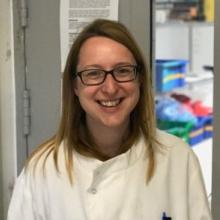
Dr Amanda Gibson
Aberystwyth University, UK
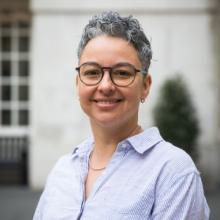
Dr María Adelaida Gómez
CIDEIM, Colombia
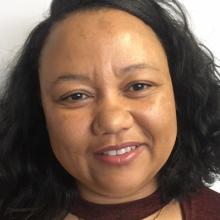
Dr Liezel Smith
Stellenbosch University, South Africa
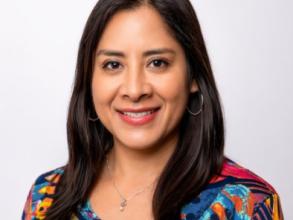
Dr Susana Flores Villalva
INIFAP, Mexico
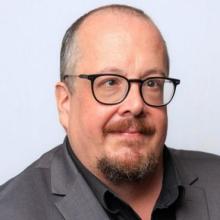
Mr Blakeley Nixon
VALIDATE, University of Oxford, UK
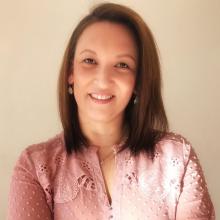
Dr Suereta Fortuin
VALIDATE, Stellenbosch University, South Africa
Mrs Samantha Vermaak
VALIDATE, University of Oxford, United Kingdom (UK)