Leishmaniasis
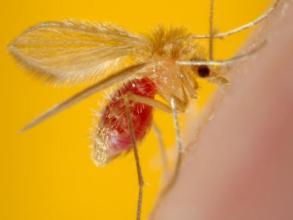
Sandfly that spreads Leishmaniasis (credit: CDC)
Leishmaniasis refers to a diverse group of diseases caused by single-celled parasites called Leishmania. Up to 12 million people worldwide are estimated to be affected, while more than one billion people live in areas where the disease is endemic and are at risk of infection. WHO estimates that 700,000 to one million new cases occur each year.
Leishmaniasis is recognised as a neglected tropical disease of poverty that disproportionately affects some of the world’s poorest communities.
Watch our Video - A Few Things You Might Not Know About Leishmaniasis
Where is leishmaniasis found?
Leishmaniasis was endemic in 99 countries and territories in 2024. Around 85% of reported visceral leishmaniasis cases in 2024 came from seven countries: Brazil, Ethiopia, India, Kenya, Somalia, South Sudan and Sudan. Cutaneous leishmaniasis occurs predominantly in the Americas, the Mediterranean basin, the Middle East and Central Asia.
Although the greatest burden falls on poorer communities, transmission also occurs in southern Europe, including countries bordering the Mediterranean. People with weakened immune systems, including those living with HIV, are at greater risk of developing severe disease. Conflict, displacement and poor housing can increase exposure to infected sand flies and disrupt access to diagnosis and treatment.
Locally acquired cutaneous leishmaniasis has also been identified in Texas in the United States.
How is leishmaniasis spread?
Leishmaniasis is mainly spread through the bites of infected female sand flies, which acquire the parasites when feeding on infected people or animals. Sand flies are much smaller than mosquitoes and can pass through some mosquito nets. Fine-mesh, insecticide-treated bed nets can help prevent bites, alongside protective clothing, insect repellent and screened accommodation.
What are the symptoms of leishmaniasis?
Symptoms vary depending on the parasite species, the form of disease and the person’s immune response. Some people carry the parasites without developing symptoms.
Cutaneous leishmaniasis causes skin lesions, which may begin as bumps or nodules and develop into ulcers. Some lesions heal without treatment, but healing can take months or years and may leave permanent scars. Lesions on the face, ears or near joints can cause particularly significant damage, disability and stigma.
Mucosal or mucocutaneous leishmaniasis affects the tissues of the nose, mouth and throat. It can develop after an initial skin lesion has healed and may cause severe tissue damage, disfigurement and difficulties with eating or breathing.
Visceral leishmaniasis, also known as kala-azar, affects internal organs, particularly the spleen, liver and bone marrow. Symptoms include prolonged or irregular fever, weight loss, anaemia and enlargement of the spleen and liver. Without treatment, it is fatal in over 95% of cases.
Some people develop post-kala-azar dermal leishmaniasis (PKDL) after apparently successful treatment for visceral leishmaniasis. This causes pale patches, bumps or nodules on the skin, often affecting the face, upper arms and trunk. People with PKDL can remain a source of parasites for sand flies.
Is leishmaniasis curable?
Yes, leishmaniasis is treatable and curable, although treatment can be complex. The choice of treatment depends on the form of disease, parasite species, where the infection was acquired and the patient’s health. All cases of visceral leishmaniasis require prompt treatment.
Liposomal amphotericin B (AmBisome) is an important treatment for visceral leishmaniasis. Other medicines and combination treatments are used in different settings. Treatment for cutaneous leishmaniasis may involve medicines applied directly to lesions, injections, oral medicines or intravenous treatment.
Some treatments remain lengthy, painful or associated with serious side effects, and drug resistance is a concern. New and improved treatments are being developed to make care safer, shorter and more accessible. Treatment does not always eliminate every parasite, so relapse can occur, particularly in people with weakened immune systems.
Vaccines against leishmaniasis
There is currently no licensed vaccine for human leishmaniasis. Veterinary vaccines are available for dogs in some countries to reduce the risk of developing disease caused by Leishmania infantum, although vaccination does not provide complete protection.
VALIDATE
At the VALIDATE Network, we bring together leishmaniasis researchers from around the world to accelerate progress towards vaccines against this disease. By connecting researchers across pathogens, disciplines and institutions, we help members exchange knowledge, develop new ideas and build international collaborations.
Further information
- WHO – Leishmaniasis factsheet: symptoms, transmission, treatment and global estimates.
- WHO – Global leishmaniasis data: country-level information and reported cases.
- WHO – Endemicity maps and surveillance dashboard: maps and data for cutaneous and visceral leishmaniasis.
- CDC – About leishmaniasis: an accessible overview of the disease.
- DNDi – Visceral leishmaniasis: treatment challenges and research progress.
- DNDi – Cutaneous leishmaniasis: the impact of the disease and work towards better treatments.
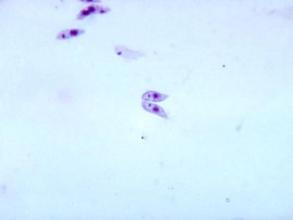
Leishmania are protozoan parasites that are transmitted between mammalian hosts by biting Phlebotomine sand flies. Approx. 20 species of Leishmania infect humans and cause a spectrum of clinical diseases that affect the skin and mucosa (tegumentary leishmaniasis) or systemic tissues (visceral leishmaniasis). Although the type of leishmaniasis is often closely associated with parasite species, this is not always the case, and varying clinical presentations may occur e.g. due to malnutrition or host genetic diversity.
Found in 98 countries worldwide, around 12 million people are infected with leishmaniasis at any one time, causing 20,000-40,000 deaths annually [1,2]. Most forms of leishmaniasis are zoonotic diseases, infecting a range of hosts including rodents and canids, but in some cases transmission may be restricted to humans (anthroponotic VL). Canine VL is an important veterinary disease and an important target for controlling disease in humans.
Importantly, many people exposed to these parasites do not develop clinical leishmaniasis, indicating the ability of the human immune system to control infection in most cases. However, suppression of the immune system by co-infection with human immunodeficiency virus (HIV) or by elective therapy (e.g. for autoimmune disease) may lead to clinical leishmaniasis [3]. Drug resistance is of increasing concern in leishmaniasis. Diagnosis of the disease is by looking for the parasites in biopsies, by antibody-based tests or by clinical exam. Developing drugs for leishmaniasis is complicated as these are eukaryotic parasites and share much of their biochemistry with human cells. Most anti-leishmanials, therefore, have narrow therapeutic windows; one contains a heavy metal (antimony), whilst another is teratogenic. The most effective drug, liposomal Amphotericin B (AmbiSome) has revolutionised treatment for VL in South Asia, but is much less effective in other parts of the world. Drugs for CL have changed little in >50 years. Many treatment courses are protracted, painful and have significant side effects. An effective vaccine could revolutionise leishmaniasis control [4,5].
The challenges of developing a leishmaniasis vaccine
Developing an effective vaccine for leishmaniasis is not easy, but epidemiological, clinical and experimental data suggests it should be possible [4,5]. It is known that deliberate infection with live Leishmania can prevent against re-infection (this practice of “leishmanisation” was once widespread in the Middle East) and vaccines have been developed for use in dogs. Vaccines for leishmaniasis could be used to prevent disease (prophylactic vaccines) or to treat patients by stimulating their immune system (therapeutic vaccines).
Some of the scientific challenges in leishmaniasis vaccine development are highlighted below:
Lack of immune correlates
For some vaccines, we know exactly the level of a particular kind of immune response that is needed for the vaccine to work – i.e. to stop someone getting disease. For leishmaniasis, we do not know what kind of immune response is needed, or what level of response is required. This means we can only test if a vaccine works in humans by doing large, expensive and time consuming human efficacy trials. This limits the number of vaccines that can be tested in humans.
Uncertain predictive value of animal models
It is not possible to test a vaccine in humans without testing it first in animals. However we do not know which if any of the animal models best predicts efficacy in humans. Again, this means we can only determine if a vaccine will work in humans by testing it in large, expensive, human efficacy trials.
Importance of the vector
Unlike some diseases, such as TB, where transmission occurs directly between people, leishmaniasis is a vector-borne disease. It is now known that during the taking of a blood meal, sand flies introduce a variety of proteins into the mammalian host that affect local immune function. The effects of these proteins have to be taken into account in developing a vaccine for leishmaniasis. Indeed, some have been proposed as candidates to include in a vaccine [6]!
Difficulty of working with leishmania
Some forms of leishmaniasis (VL, mucocutaneous leishmaniasis) are particularly serious once contracted and difficult to treat, and so in some countries (including the UK) they can only be studied in laboratories using special containment measures (called Category or BSL 3). To study natural transmission of disease, sand flies also need to be reared in captivity and once experimentally infected, these sand flies must be kept under BSL 3 containment to prevent their escape. This limits the number of laboratories that can work on the most serious forms of leishmaniasis.
How VALIDATE is helping
By bringing together researchers working on different (but similar) pathogens, discoveries in one field can be more quickly taken advantage of in research against another pathogen. Bringing together researchers from different disciplines and institutes in new collaborations means knowledge can be exchanged and new research ideas for the field can be generated and investigated. Bringing new researchers into this field, and progressing the careers of early career researchers, will aid with new ideas and the continuation of the field into the future.
The effect of BCG vaccination in immune responses against visceral leishmaniasis in a natural (canine) model of infection
Led by Dr Javier Salguero Bodes (Public Heath England, UK), with Dr Isadora dos Santos Lima (FIOCRUZ, Brazil), Assoc Prof Daniela Farias Larangeira (UFBA, Brazil), Dr Deborah Fraga (FIOCRUZ), Dr Geraldo Sá Oliveira (FIOCRUZ), Dr Washington dos-Santos (FIOCRUZ), and Prof Luiz Freitas (FIOCRUZ)
Read more here

Identification of Leishmania donovani and Mycobacterium tuberculosis- derived proteins on the surface of infected macrophages that are associated with ADCC induction
Led by Dr Mohamed Osman (University of York, UK), with Prof Paul Kaye (University of York, UK), Dr John Pearl (University of Leicester, UK) and Prof Andrea Cooper (University of Leicester, UK)
Read more here

Protective efficacy of conserved Leishmania hypothetical proteins against visceral leishmaniasis
Led by Prof Myron Christodoulides (University of Southampton, UK), with Assoc Prof Eduardo Coelho (Federal University of Minas Gerais, Brazil)
Read more here

Cytomegalovirus as a risk factor for TB and leishmaniasis
Led by Dr Lisa Stockdale (University of Oxford, UK), with Dr Robindra Basu Roy (LSHTM, UK), Dr Vivian Tamietti Martins (Federal University of Minas Gerais, Brazil), Assoc Prof Eduardo Coelho (Federal University of Minas Gerais, Brazil), and Prof Helen Fletcher (LSHTM, UK)
Read more here
Further reading
Find more papers on our publications page.
- WHO leishmaniasis factsheet: an overview of the disease, transmission, prevention and treatment.
- WHO global leishmaniasis data: geographical distribution and reported cases.
- DNDi – Leishmaniasis research and treatment development: progress towards safer, shorter and more accessible treatments.
References
- Gillespie PM et al. Status of vaccine research and development of vaccines for leishmaniasis. Vaccine. 2016;34(26):2992–2995.
- Parkash V et al. Safety and reactogenicity of a controlled human infection model of sand fly-transmitted cutaneous leishmaniasis. Nature Medicine. 2024;30:3150–3162.
- Alvar J, Croft SL, Kaye P, Khamesipour A, Sundar S, Reed SG. Case study for a vaccine against leishmaniasis. Vaccine. 2013;31(Suppl 2)–B249.
- Gillespie PM, Beaumier CM, Strych U, Hayward T, Hotez PJ, Bottazzi ME. Status of vaccine research and development of vaccines for leishmaniasis. Vaccine. 2016;34(26):2992–2995.
- Reed SG, Coler RN, Mondal D, Kamhawi S, Valenzuela JG. Leishmania vaccine development: exploiting the host–vector–parasite interface. Expert Review of Vaccines. 2016;15(1):81–90.
- Parkash V, Ashwin H, Dey S, et al. Safety and reactogenicity of a controlled human infection model of sand fly-transmitted cutaneous leishmaniasis. Nature Medicine. 2024;30(11):3150–3162.
- A randomized, double-blind phase 2b trial to evaluate efficacy of ChAd63-KH for treatment of post kala-azar dermal leishmaniasis. Molecular Therapy – Methods & Clinical Development. 2024;32(3):101310.
- Health and Safety Executive. Safe deliberate work with biological agents.