VALIDATE Annual Meeting 2025
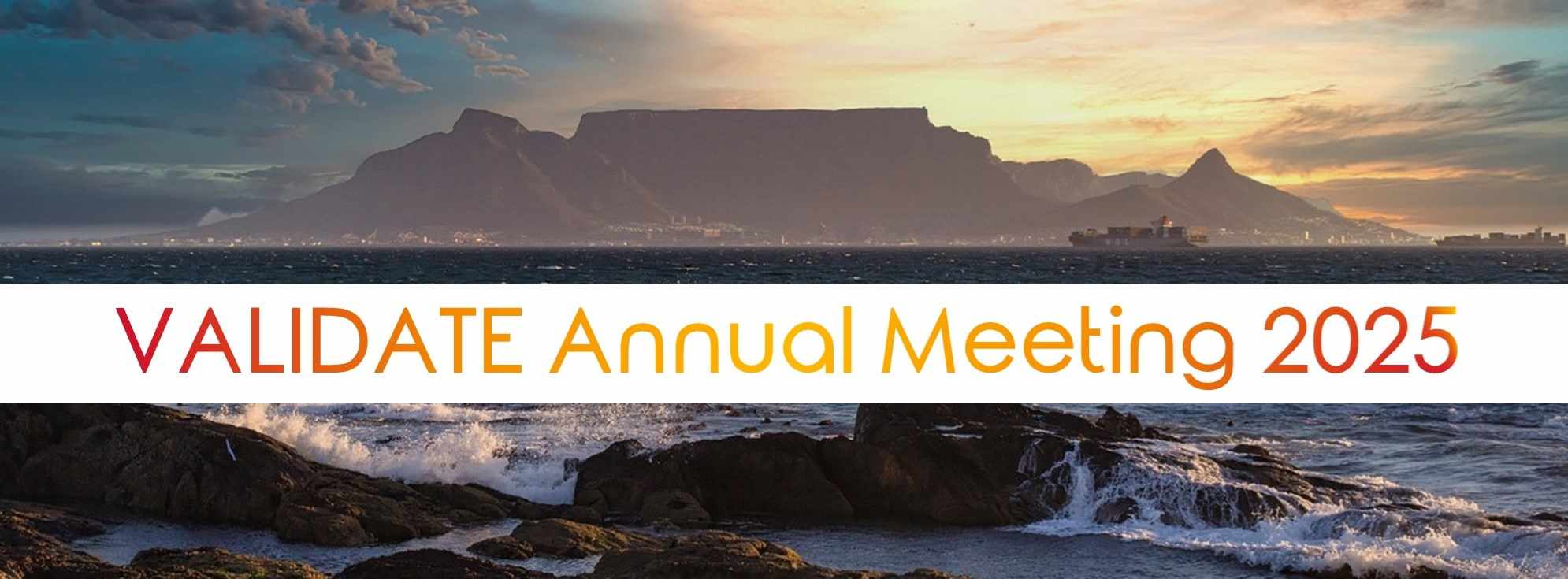
VALIDATE's 7th Annual Meeting took place from 29 September to 1 October 2025 near Cape Town, South Africa. As in previous years, the event featured a training workshop for Early Career Researchers (ECRs), followed by a two-day Annual Meeting.
The 2025 Annual Meeting was free for VALIDATE members and highlighted cutting-edge vaccine research on our key pathogens - Mycobacteria, Burkholderia pseudomallei (melioidosis), and Leishmania spp. - while offering an unmissable opportunity to network with leading researchers from around the globe.
The Venue
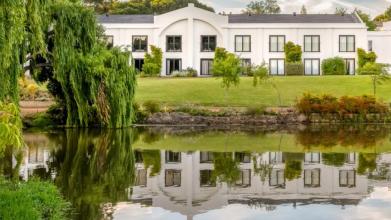
The Annual Meeting took place at the Lord Charles Hotel in Somerset West, Cape Town.
The VALIDATE Annual Meeting 2025 brought together 100 researchers from more than 30 countries for science talks, networking, and collaboration in Somerset West, South Africa. Hosted at the Lord Charles Hotel, the meeting combined world-class science with professional development and community building — embodying VALIDATE's mission to connect researchers working on vaccines for Mycobacterium tuberculosis, Leishmania spp., Burkholderia pseudomallei, and Mycobacterium leprae.
VALIDATE Workshop: Unstoppable Confidence
The week before the Main Annual Meeting, VALIDATE hosted “Unstoppable Confidence”, a two-day in-person workshop led by executive coach and author Peggy Klaus. Designed for women in research, the programme focused on building lasting confidence, presence, and resilience.
Over two intensive days, participants explored the factors that influence self-confidence and performance, particularly in scientific settings, and learned practical strategies for leading with authority while staying authentic. Through interactive exercises and discussion, they identified personal strengths, tackled challenges such as imposter syndrome and perfectionism, and developed the ability to project confidence under pressure.
Attendees also created personal “confidence strategies” to guide their professional growth and joined networking sessions with VALIDATE Fellows and female Pump-Priming grant leads, fostering a supportive community of emerging leaders.
Drawing on her acclaimed books Brag! and The Hard Truth About Soft Skills, Peggy Klaus combined candour, humour, and insight to encourage participants to embrace visibility and self-advocacy as essential career tools. Feedback described the workshop as “transformational,” “energising,” and “a rare space for honest reflection.”
VALIDATE ECR Workshop 2025: Professional Skills for Vaccine Researchers
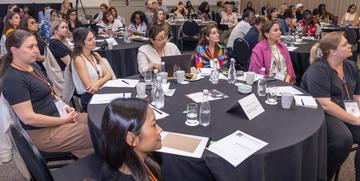
On 29 September, VALIDATE hosted its Early Career Researcher (ECR) Workshop, led by Nick Burger from Scriptoria. The one-day course focused on communication, career development, and professional identity, offering early-career scientists practical tools to present their work effectively and plan their next steps.
Morning sessions explored presentation skills — from structuring talks to adapting for non-specialist audiences and using visuals to enhance clarity — while the afternoon covered shaping a personal research “brand,” refining academic and industry CVs, and setting achievable career goals.
The day concluded with a relaxed welcome dinner and classic South African braai at the Lord Charles Hotel, where participants continued discussions in an informal and friendly setting ahead of the main meeting.

VALIDATE Annual Meeting Day One
The VALIDATE Annual Meeting 2025 officially opened on 30 September with a welcome from Professor Samantha Sampson, Network Director at Stellenbosch University, who reflected on the remarkable growth of VALIDATE and the importance of fostering collaboration across continents. Mrs Samantha Vermaak, Co-Investigator and Executive Manager at the University of Oxford, then provided an update on network activities, recent funding successes, and future plans for training, partnership, and outreach.
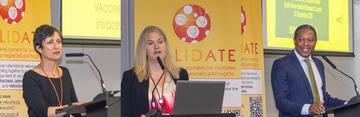
The opening keynote, delivered by Professor Ntobeko Ntusi of the South African Medical Research Council, set an inspiring tone for the day. His talk, The Future of Tuberculosis Research in the Context of Transforming Global Health, highlighted how advances in genomics, data science, and implementation research can drive more equitable and effective TB control, particularly in low- and middle-income countries.
The scientific sessions that followed reflected the depth and diversity of VALIDATE's research community. Dr Thao-Thy Pham (Institute of Tropical Medicine Antwerp, Belgium) presented new work identifying the first naturally presented Leishmania epitope vaccine candidates in Ethiopian cutaneous leishmaniasis — a promising step toward a next-generation vaccine for this neglected disease.
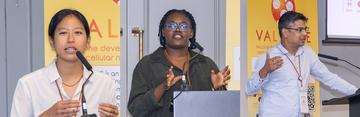
Dr Happy Tshivhula (Stellenbosch University, South Africa) discussed using extreme clinical phenotypes to determine correlates of risk for recurrent TB, aiming to inform more targeted vaccine development. Continuing the TB focus, Dr Mrinal Das (University of Leicester, UK) examined how BCG vaccination alters host metabolism, offering insights into the immunometabolic mechanisms that influence vaccine performance.
After lunch, Dr Pia Steigler (Afrigen Biologics, South Africa) described the country's pioneering efforts to advance TB mRNA vaccine development and local manufacturing capacity — illustrating how regional innovation can help build global resilience. Dr Mark Shiburah (Council for Scientific and Industrial Research, Ghana) then shared findings on a telomerase-deficient Leishmania major strain with potential as a live-attenuated vaccine candidate.

Dr Luciana Balboa (Instituto de Investigaciones Biomédicas en Retrovirus y Sida, Argentina) presented novel strategies for improving BCG efficacy by modulating dendritic-cell migration, while Dr Suraj Bhattarai (Global Health Research & Medical Interventions Institute, Nepal) reported on the BURNEP study — the first systematic assessment of Burkholderia pseudomallei burden in Nepal, providing data crucial to shaping regional vaccine priorities.
The final scientific talk of the day came from Dr F. Javier Salguero Bodes (UK Health Security Agency), who described how vaccination and treatment alter the phenotype and transcriptome of pulmonary granulomas in non-human primates, offering important clues to immune correlates of protection against TB.

Community Building with Dinner & Drinks!
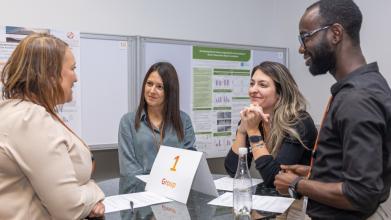
The meeting included a structured networking session where each delegate had one minute to introduce themselves to their randomly assigned group of eight. After each eight-minute round, participants rotated to a new group to maximise cross-network interaction; the VALIDATE Team estimates that delegates each met at least 35 new people during this high-energy session.
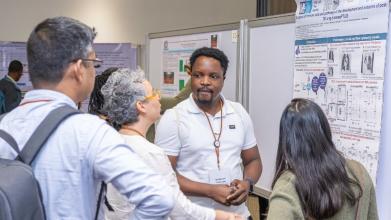
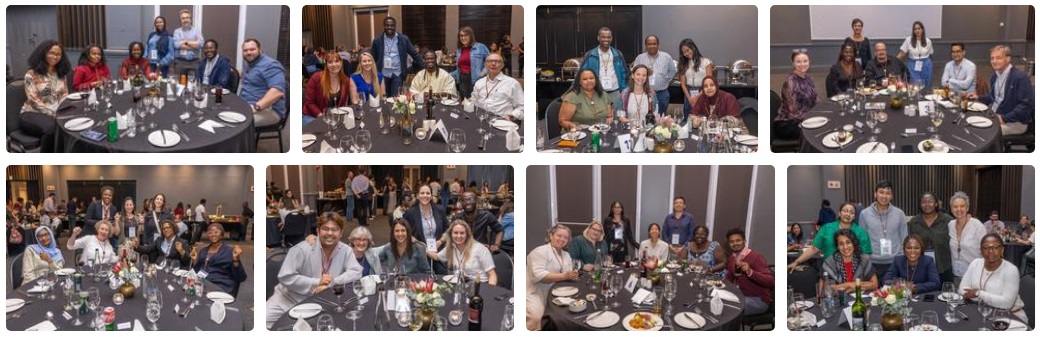
Delegates the moved on to the lively poster reception where 28 members presented their research over drinks, providing further opportunities for discussion and collaboration. We closed a very busy and successful first day with the Annual Meeting Dinner in the Lord Charles's Grand Ballroom, which offered a relaxed setting for delegates to continue conversations and strengthen connections.
VALIDATE Annual Meeting Day Two
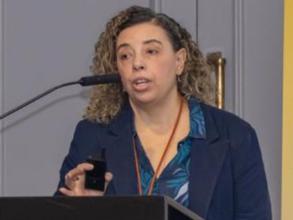
The second day of the VALIDATE Annual Meeting opened with a keynote address from Dr Veronica Pereira, Senior Researcher in Public Health at Fundação Oswaldo Cruz (Fiocruz), Brazil. Dr Pereira's talk, LepVax: Advancing Science, Building Partnerships, and Transforming Leprosy Control, traced the vaccine's development journey from laboratory innovation to community implementation. Her presentation highlighted the importance of coordinated efforts among scientists, clinicians, and public health institutions in accelerating progress toward eliminating neglected diseases.
The morning session continued with Dr Susana Flores Villalva from INIFAP, Mexico, who discussed how bovine neutrophils contribute to protection and regulation during natural Mycobacterium bovis infection — an important model for understanding host immunity in TB.
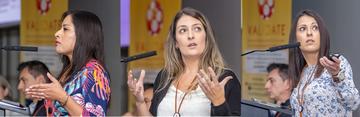
Dr Daniela Pagliara Lage of the Federal University of Minas Gerais, Brazil, then presented encouraging results from her team's evaluation of a recombinant chimeric protein vaccine with adjuvant for visceral leishmaniasis. Dr Elena Stylianou (University of Oxford, UK) followed with an exploration of how BCG priming shapes immune responses to subunit vaccine boosts, offering insight into more effective vaccine combinations. After a short break, Madhurima Roy (IPGME&R, India) provided an update on the Innovative Diagnosis for PKDL/Leprosy Project, highlighting efforts to create a cost-effective diagnostic tool that can be deployed in the field to support early detection and treatment. Assistant Professor Alba Llibre Serradell (University of Birmingham, UK) presented new findings on profiling the mycobacterial immune response in human lung tissue to inform TB vaccine design, while Dr Menberework Chanyalew Negatue (Armauer Hansen Research Institute, Ethiopia) discussed immune signatures that link chronic tuberculosis and cutaneous leishmaniasis — pointing to shared immunopathological mechanisms.
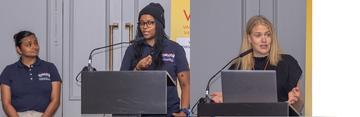
The scientific focus briefly shifted to community engagement with an inspiring session from Candy Jacobs and Phumeza Tisile of TB Proof, titled Survivor-Led Advocacy: Building Community Capacity and Accountability to End TB. Drawing on their own lived experiences as TB survivors, they illustrated how survivor-led advocacy can drive meaningful change through community empowerment, stigma reduction, and accountability. Their presentation showcased TB Proof's bottom-up approach, in which trusted local voices and first-hand experiences strengthen health systems and promote equitable, person-centred TB care — a message that resonated deeply with attendees. The morning concluded with an update from Samantha Vermaak, VALIDATE Co-Investigator and Executive Manager, summarising outcomes from the Bogotá Vaccines for Skin NTDs Workshop and how they are informing ongoing work across the network.
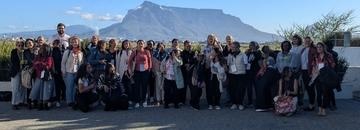
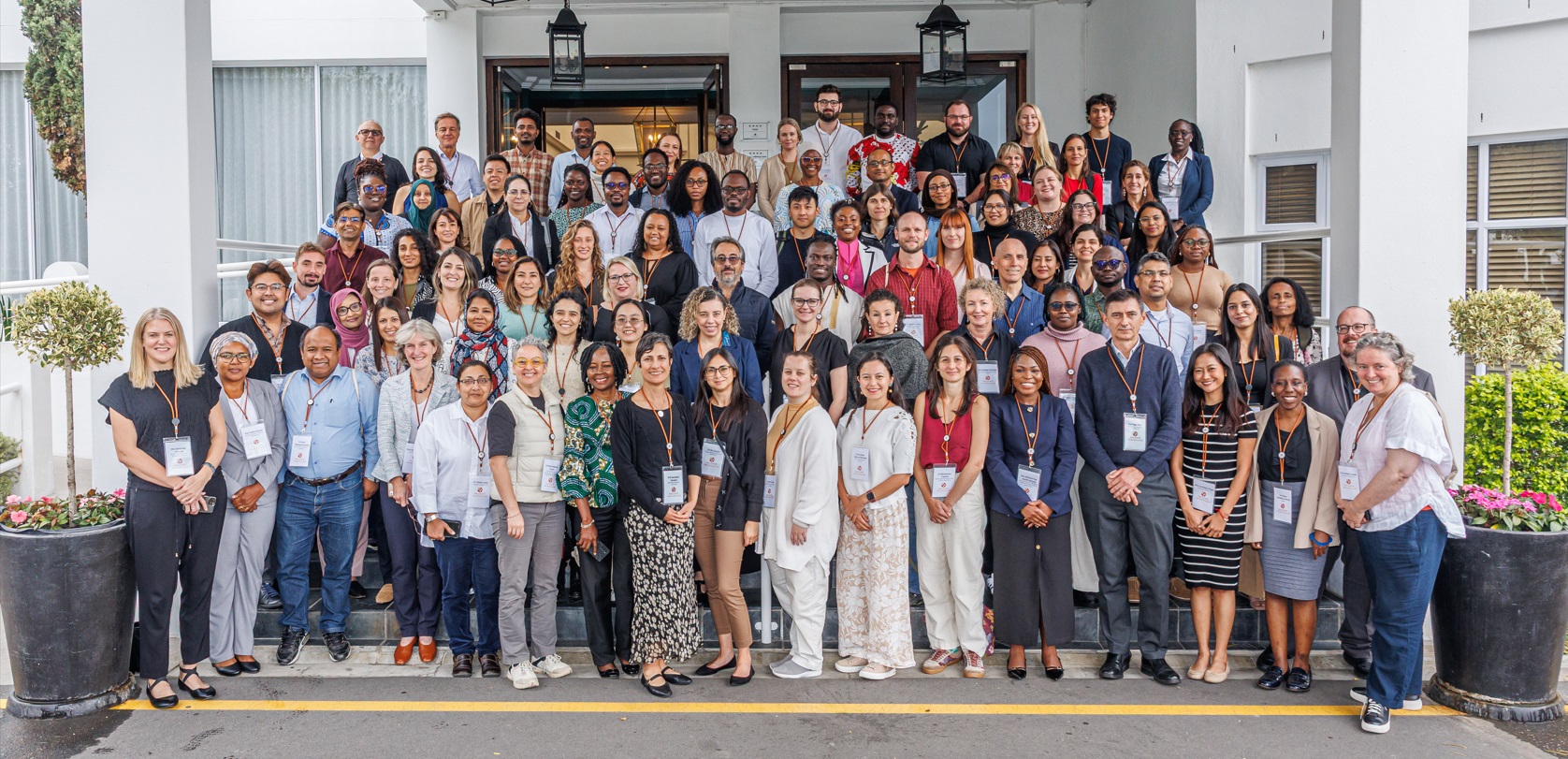
Before lunch, we headed out to the front of the Lord Charles Hotel to take the group photo.
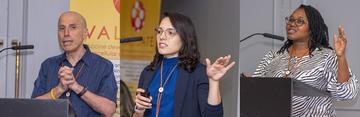
After lunch, the focus shifted to technological innovation and next-generation vaccine design. Professor Angelo Izzo (Centenary Institute, Australia) opened the afternoon session with an overview of novel adjuvants that may transform the performance of future subunit TB vaccines. Dr Camila Freitas (Federal University of Minas Gerais, Brazil) then described the preclinical evaluation of a new recombinant chimeric vaccine for tegumentary leishmaniasis, while Dr Zimvo Obasa (Stellenbosch University, South Africa) shared data on curdlan-PLGA nanoparticles encapsulating M. tuberculosis antigens, designed to enhance vaccine delivery and efficacy.
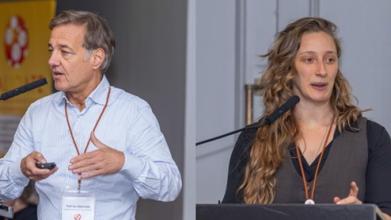
The session continued with Professor Ivo Steinmetz (Medical University of Graz, Austria), who presented updates on Melio MuSe, a multiplex serology platform advancing multicomponent melioidosis vaccines, and Dr Monika Looney (SATVI & University of Cape Town, South Africa), who described an innovative pilot study using single-cell spatial techniques to investigate immune profiles in human lymph nodes.
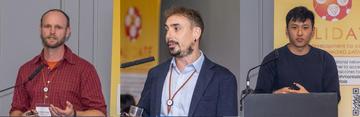
Following a short break, the final session showcased some of the most forward-looking work of the meeting. Dr Robert Krause (Africa Health Research Institute, South Africa) discussed a DNA-launched therapeutic vaccine for tuberculosis, tested in both murine and human models; Dr Julen Tomás Cortázar (University College Dublin, Ireland) presented approaches to designing versatile, cost-effective multivalent vaccines; and Dr Andy Tran (St George's, University of London, UK) closed the scientific programme with results from comparative testing of Ag85 isoforms and sequence optimisation to inform next-generation TB vaccine development.
The day — and the Annual Meeting — concluded with the VALIDATE Awards. Dr Alba Llibre won the award for Best Speaker, and Dr Nastassja Kriel received the prize for Best Poster.
Delegates left energised and inspired, reflecting on the depth of innovation and shared commitment that define VALIDATE's growing global community.

Feedback – Community, Inspiration and Impact
Feedback from participants was overwhelmingly positive. Every respondent rated the event highly, and 88% reported forming potential new collaborations during the week. Delegates praised the strong scientific content, the diversity of speakers, and the friendly, inclusive atmosphere that encouraged open discussion. The mix of early-career and senior researchers was highlighted as a particular strength, along with the balance between technical sessions, networking, and skills development.
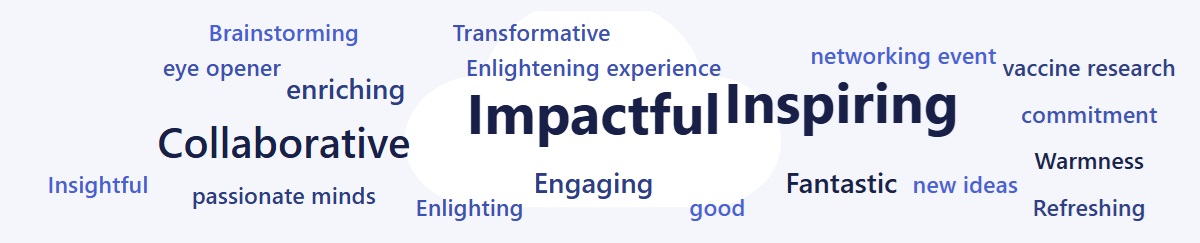
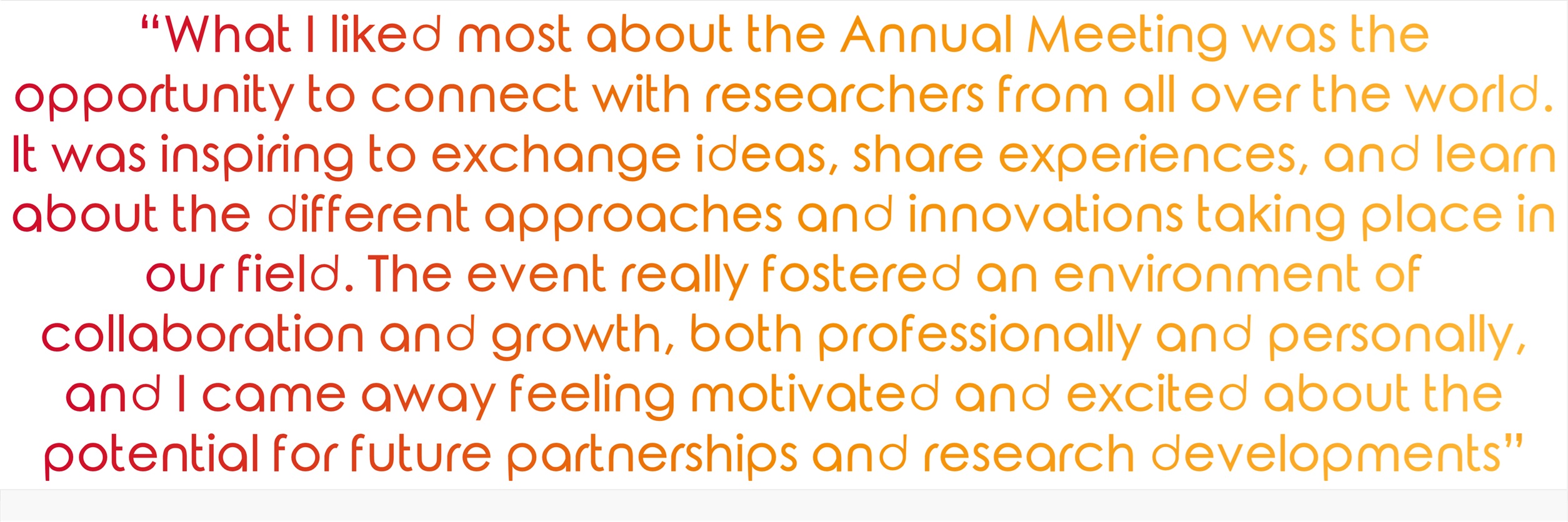
Many also commended the smooth organisation and the sense of community fostered throughout the week. As one participant noted, “VALIDATE creates a space where scientists from every corner of the world feel part of the same mission.”
Annual Meeting Agenda
Taking place the day before the VALIDATE Annual Meeting 2025, this dynamic full-day Professional Skills Development Workshop will equip VALIDATE Early Career Researchers with the tools to communicate their work and science effectively, strengthen their research profiles, and confidently pursue careers in both academia and industry.
Find out more on the workshop page - www.validate-network.org/event/ecr-workshop-2025
0900 – 1000 Closed Network Management Board (NMB) & Scientific Advisory Board (SAB) Meeting (Invitation only)
0930 – 1000 Registration & tea/coffee
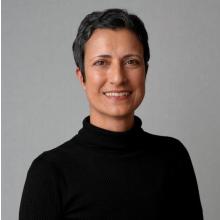
1000 – 1005 Welcome
Prof Samantha Sampson, VALIDATE Network Director, University of Stellenbosch
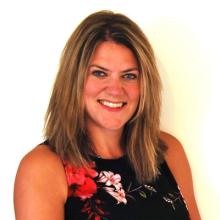
1005 – 1025 VALIDATE Update
Mrs Samantha Vermaak, Co-Investigator & Executive Manager, University of Oxford, UK
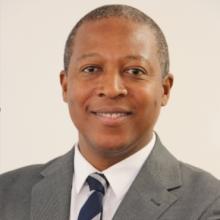
1025 – 1110 Keynote Talk: The Future of Tuberculosis Research In the Context of Transforming Global Health
Prof Ntobeko Ntusi, South African Medical Research Council
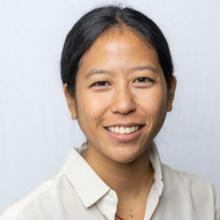
Dr Thao-Thy Pham Institute of Tropical Medicine Antwerp, Belgium
Dr Happy Tshivhula Stellenbosch University, South Africa
1150 – 1210 Determining the Metabolic Impact of BCG Vaccination
Dr Mrinal Das, University of Leicester, United Kingdom
1210 – 1310 Lunch
1310 – 1340 From Concept to Clinic Advancing TB mRNA Vaccine Development and Manufacturing in South Africa
Dr Pia Steigler, Afrigen Biologics PTY Ltd, South Africa
1340 – 1400 Assessing the Immunogenicity and Protective Efficacy of a Telomerase Deficient Leishmania major
Dr Mark Shiburah, CSIR, Ghana
1400 – 1420 Accelerating BCG Efficacy: Targeting Dendritic Cell Migration in Tuberculosis Immunization
Dr Luciana Balboa, Instituto de Investigaciones Biomédicas en Retrovirus y Sida (INBIRS), Argentina
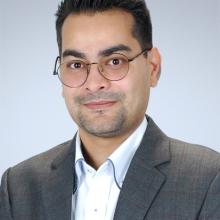
1420 – 1440 Burden of Burkholderia pseudomallei in Nepal to inform vaccine needs (BURNEP study)
Dr Suraj Bhattarai, Global Health Research & Medical Interventions Institute (GLOHMED), Nepal
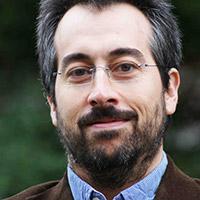
1440 – 1510 Vaccination or Treatment Against TB Modify the Phenotype and Transcriptome of Pulmonary Granulomas in NHPs
Dr F Javier Salguero Bodes UK Health Security Agency (UKHSA), UK
1510 – 1540 Afternoon Break
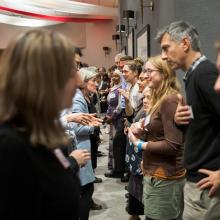
1540 – 1655 Your Chance to Meet Other VALIDATE Members
Attendees will get the chance to meet other VALIDATE members in this high-energy, quick-fire activity aimed at fostering community building and networking.
1655 – 1700 Wrap-up Session
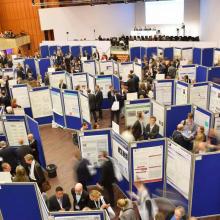
1700 – 1830 Drinks & Poster session
Take a look at the posters that will be presented by our members during this session.
1830 – 2100 The Annual Meeting Dinner
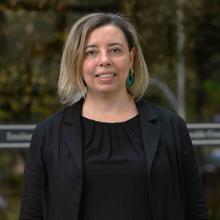
0900 – 0945 LepVax: Advancing Science, Building Partnerships, and Transforming Leprosy Control
Dr Veronica Pereira, Senior Researcher in Public Health, Fundação Oswaldo Cruz (Fiocruz), Brazil
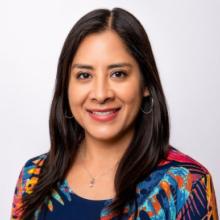
Dr Susana Flores Villalva Instituto Nacional de Investigaciones Forestales Agrícolas y Pecuarias INIFAP Mexico
Dr Daniela Pagliara Lage Federal University of Minas Gerais, Brazil
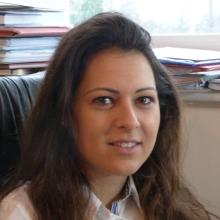
1025 – 1045 Defining the Mechanism of BCG-Priming and its Impact on Subunit Vaccine Boosting
Dr Elena Stylianou University of Oxford, UK
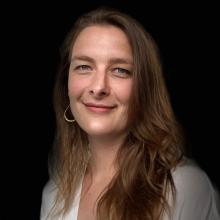
1045 – 1105 Translating Protective Immune Signatures in the Lung to Peripheral Biomarkers for TB
Dr Paula Niewold Leiden University Medical Center, Netherlands
1105 – 1135 Morning Break
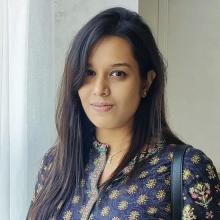
1135 – 1150 Innovative Diagnosis for PKDL/Leprosy Project Update
Dr Madhurima Roy, Institute of Post Graduate Medical Education & Research (IPGME&R), India
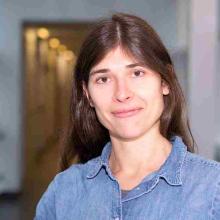
1150 – 1210 Profiling the Mycobacterial Immune Response in Human Lung Tissue to Inform Novel TB Vaccine Design
Assistant Professor Alba Llibre Serradell, University of Birmingham, United Kingdom
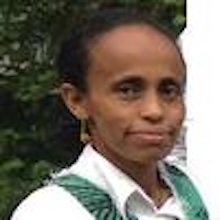
1210 – 1230 Immune Signatures of Chronic Tuberculosis and Cutaneous Leishmaniasis
Dr Menberework Chanyalew Negatue, Armauer Hansen Research Institute (AHRI), Ethiopia
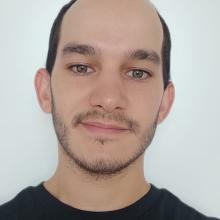
Dr Mariano Maio, Instituto de Investigaciones Biomédicas en Retrovirus y Sida (INBIRS), Argentina
1240 – 1250 VALIDATE Vaccines for Skin NTDs Workshop - Update & Outcomes
Mrs Samantha Vermaak, Co-Investigator & Executive Manager, University of Oxford, UK
1250 – 1400 Lunch
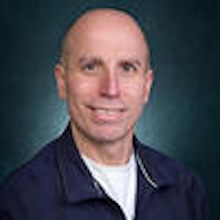
1400 – 1430 Adjuvants for the next generation of subunit TB vaccines
Prof Angelo Izzo, Centenary Institute, Australia
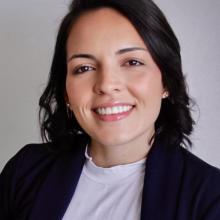
1430 – 1440 Preclinical evaluation of a novel recombinant chimeric vaccine for protection against tegumentary leishmaniasis
Dr Camila Freitas, Federal University of Minas Gerais (UFMG), Brazil
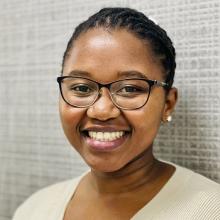
Dr Zimvo Obasa, Stellenbosch University, South Africa
1450 – 1510 Melio MuSe: Multiplex Serology Advancing Multicomponent Melioidosis Vaccines
Prof Ivo Steinmetz, Medical University of Graz, Austria

1510 – 1520 Pilot study to investigate tissue-based immunological profiles associated with TB with single-cell spatial resolution in human lymph nodes
Dr Monika Looney, South African Tuberculosis Vaccine Initiative (SATVI) & University of Cape Town (UCT), South Africa
1520 – 1550 Afternoon Break
Dr Robert Krause, Africa Health Research Institute (AHRI), South Africa
1600 – 1620 Development of Versatile and Cost-Effective Next-Generation Vaccines through Multivalent Approaches
Dr Julen Tomás Cortázar, University College Dublin, Ireland
1620 – 1640 Comparative Testing of Ag85 isoforms and Consensus Sequence Optimisation for Next-gen TB Vaccines
Dr Andy Tran, St George's, University of London, United Kingdom
1640 – 1700 Annual Meeting Awards and Farewell
VALIDATE is offering an exclusive opportunity to visit on of two leading vaccine research and development organisations in Cape Town on the morning of Thursday, 2 October—just after the main meeting.
Participants will have the chance to explore:
-
Afrigen Biologics and Vaccines – A biotech company pioneering mRNA technology transfer and vaccine production capacity building in LMICs through a centre of excellence and training.
-
South African Tuberculosis Vaccine Initiative (SATVI) – A world-renowned research group at the University of Cape Town, dedicated to developing new and effective TB vaccination strategies.
All available places are currently full, but attendees can express their interest on the Annual Meeting Registration Form to be added to the waiting list, should spaces become available. Site visits will conclude by the afternoon, allowing time for evening departures.
Annual Meeting FAQs
What is the VALIDATE Annual Meeting 2025?
The VALIDATE Annual Meeting is a gathering of researchers and professionals focusing on vaccine development for neglected and emerging infectious diseases. The meeting includes scientific talks, a networking session, a poster session, and a conference dinner, providing opportunities for networking, knowledge exchange, and collaboration.
When and where will the meeting take place?
The meeting is scheduled for September 30 – October 1, 2025, near Cape Town, South Africa. There will be an additional workshop on September 29 for Early Career Researchers. The exact venue details will be provided to registered attendees in the coming weeks.
What is on the Agenda?
There will be talks from VALIDATE Investigators, and Fellowship and Pump Priming Grant Recipients, as well as a networking session, a poster session, and a conference dinner. We will be in touch with a detailed Agenda in the coming weeks.
Who can attend the VALIDATE Annual Meeting?
The event is open to VALIDATE members only. VALIDATE membership is free; details on VALIDATE membership and how to join can be found here.
I am not a member; can I register for the event and apply to join VALIDATE at the same time?
Yes, you can register for the event and submit a membership application at the same time. However, we can only guarantee processing your membership if you submit your application by 30 June 2025.
How do I register for the event?
Complete the registration form at the bottom of this page.
Can I join the Annual Meeting online?
This meeting will be in-person, but there will be an option to join virtually to increase access for our members, especially those unable to travel to South Africa. Hybrid registration will open soon.
Will a recording of the Annual Meeting be available after the event?
Yes. The videos of each talk will be made available to VALIDATE members who have signed the Confidentiality Agreement (CDA) via the VALIDATE Canto Portal a few months after the live event.
Can I bring my partner?
You are welcome to bring your partner to South Africa at your own cost. However, as many sessions will include confidential or unpublished data, partners cannot attend the meeting sessions (unless, of course, they are VALIDATE members). We also cannot offer places at the Annual Meeting dinner for additional guests.
If VALIDATE is covering your hotel room, we can only cover the cost of your occupancy. If additional people are staying with you, you will need to contact the hotel directly to arrange and pay for any extra costs.
Can I bring my children/baby?
Children are welcome to accompany you to South Africa at your own cost. Young babies (infants in arms) can attend the Annual Meeting sessions as long as they do not cause disruption. Older children cannot attend the main meeting sessions due to the confidential and often unsuitable nature of the discussions (e.g. presentations may include images of severe skin diseases). The venue has several breakout rooms available if you require space for breastfeeding - please ask a member of the VALIDATE Team to direct you to the room.
Will VALIDATE cover the cost of family members?
If VALIDATE is covering your hotel room, we can only cover the cost of your occupancy. If additional people are staying with you, you will need to contact the hotel directly to arrange and pay for any extra costs.
Is there funding available to attend for VALIDATE members?
VALIDATE offers Travel Grants for LMIC members to join the Annual Meeting in-person; the Travel Grants call for applications closed in February and there are no further funds for travel costs. You should contact your institute or other funding bodies if you require financial support for your trip.
I am a VALIDATE SAB/NMB member/Fellow; is my travel covered by VALIDATE?
All VALIDATE SAB and NMB members, including our Fellows, will have their travel costs covered by VALIDATE. Please register online and select this funding option.
I am a VALIDATE ECDN member; is my travel covered by VALIDATE?
All current (2024-2026) VALIDATE ECDN members' will have their travel costs covered by VALIDATE. Please register online and select this funding option.
For those funded by VALIDATE:
I have a question about my Travel Grant
Please read through our detailed guidance documents that were sent to you when you were awarded a grant. If this does not answer your question, then get in touch with the VALIDATE team.
Can I extend my stay in South Africa?
Yes, if you are funded by VALIDATE you are welcome to extend your stay and delay your return flight. However, VALIDATE will only cover accommodation for the nights required for the Annual Meeting. We expect that most attendees will need accommodation from 28 September (for ECR Workshop attendees) or 29 September until 2 October. You will need to cover any additional accommodation costs outside these dates. If need you arrive early or depart late due to jet lag or flight schedules, please speak to the VALIDATE Team.
I wish to extend my stay to undertake training in South Africa. Can I claim this in my Travel Grant?
VALIDATE is keen to support your research and professional development. If you find a relevant training opportunity in South Africa, you may use your Travel Grant to cover associated costs - as long as it remains within your approved budget. If you are considering this, please provide details of the training to the VALIDATE Team in advance of your planned stay, to ensure your plans align with the grant's terms.
Can I submit an abstract for a research talk or poster presentation?
No. Our calls for abstracts closed in February and we will not have further calls for this year's meeting.
Can I update my submitted abstract after the deadline?
We prefer not, but you can make minor change to your poster or talk title and abstract until the 4 August 2024. After that date, the VALIDATE Team will lock in the details for publication in the Printed Programme. If you wish to make major changes, you will need to contact the VALIDATE Team as soon as possible.
What accommodation options are available?
We will be in touch soon with details of the venue and accommodation options.
Will VALIDATE book my hotel and flight?
If VALIDATE is supporting your attendance—for example, through a travel grant—our team can arrange your flights and accommodation on your behalf. Alternatively, you may book your own flights and claim the cost through an expenses reimbursement. We will provide guidance on this process and any required documentation.
If you are making your own arrangements, we will share a booking link for the event hotel so you can access the discounted group rate.
Will Wi-Fi be available at the venue?
Yes, the meeting venue will provide free Wi-Fi access. Details will be shared with attendees closer to the event.
Is there a dress code for the meeting?
There is no formal dress code for the Annual Meeting or for the Conference Dinner.
What is the expected weather in Cape Town during the meeting?
Cape Town experiences spring weather in late September/early October, with temperatures ranging between 12-22°C (54-72°F). It is advisable to bring a light jumper or jacket, as temperatures can vary and can drop at night. It does rain in Cape Town, but Capetonians will warn you that an umbrella can be useless due to the wind – so you may wish to bring a light raincoat.
Will meals be provided?
The venue hotel will provide breakfast.
We will be providing lunch at the ECR Workshop and for the two days of the Annual Meeting.
We will also provide dinner after the ECR Workshop and Annual Meeting Day 1.
Can I claim for meals?
If your travel is funded by VALIDATE, you can claim back the costs for the other meals required during your stay.
Do I need a visa to attend the meeting in South Africa?
VALIDATE is unable to provide expert advice on Visas. Please consult information from your own government regarding visa requirements for South Africa. Please apply for any necessary visa well in advance of the meeting dates, so that it is granted in time for your attendance.
What Medical Requirements & Vaccinations do I need?
VALIDATE cannot provide medical advice regarding travel to South Africa. We strongly recommend checking official guidance from your government's health authority and consulting your employer for specific requirements.
Key things to check:
- Routine Vaccinations: Ensure standard vaccinations (such as measles, mumps, rubella, and tetanus) are up to date.
- Recommended Vaccines: Depending on your travel plans, vaccines for Hepatitis A, Hepatitis B, Typhoid, and Rabies may be advised.
- Yellow Fever: A Yellow Fever certificate is required if you are traveling from or have recently visited a country where Yellow Fever is present.
- Malaria Risk: Some regions, particularly near the borders with Mozambique, Zimbabwe, and Eswatini, have a malaria risk. Check if you need antimalarial medication and take necessary precautions.
- For personalized advice, consult your GP, travel health clinic, or occupational health department at least 6-8 weeks before travel.
Is South Africa Safe?
South Africa has some safety challenges for visitors, but taking simple precautions can significantly reduce risks. Millions of people travel to the country every year without incident. As we approach the event, we will share our Travel and Safety Guide, which includes practical advice on staying safe.
Here are some key safety tips:
- Keep up to date: We recommend checking the latest official travel advice from your country's foreign office. The UK Foreign, Commonwealth & Development Office (FCDO) website for example, provides up-to-date safety and security information.
- Use Official Taxis or Uber: Whether traveling from the airport or to a dinner venue, the safest way to get around is by using a registered taxi service or Uber. Most restaurants and hotels can arrange taxis for you. The VALIDATE team recommends Uber as an affordable, safe, and reliable transport option for most journeys. If VALIDATE is covering your travel expenses, we will reimburse reasonable taxi costs.
- Stay in Safe Areas: Stick to well-known tourist areas and accommodations with good security. If exploring beyond main city centers, check with locals or your hotel staff about safety.
- Stay Aware in Crowded Places: Pickpocketing can happen in busy areas like markets and public transport. Keep your bag closed and in front of you.
- Ask the Locals: Hotel and restaurant staff, local police, and safety officers can provide up-to-date advice on which areas are safe to visit. Don't hesitate to ask for guidance.
- Avoid Walking Alone at Night: Stick to well-lit, busy areas and avoid walking alone after dark, especially in unfamiliar neighborhoods. If you need to go out, use a taxi or Uber.
- Be Cautious with Valuables: Keep expensive items (jewelry, watches, smartphones) out of sight, especially in public places. Use a money belt or a secure bag for essentials like your passport and cash. The rooms at the venue hotel will have safes for valuables.
- Know Emergency Contacts: Save local emergency numbers on your phone, including police (10111), ambulance (10177), and your country's embassy or consulate.
Funding and Abstract Submissions - Now Closed
VALIDATE offers annual travel grants of up to £3,000 to LMIC members to attend the VALIDATE Annual Meeting (and ECR Workshop, if applicable). To apply, please consult the Annual Meeting Travel Grants guidance document for eligibility and funding details, complete every section of the application form, and submit it with all required documents to VALIDATE@ndm.ox.ac.uk before the deadline.
We particularly encourage South Africa-based members to apply for a VALIDATE Travel Grant, to cover their local travel and subsistence costs to join the 2025 Annual Meeting in-person.
Applications will be competitively reviewed by the VALIDATE Network Management Board.
We also invite you to submit a poster abstract for the Annual Meeting, which can strengthen your travel grant application. Further information on poster submissions can be found on the VALIDATE Annual Meeting webpage.
- FileVALIDATE Travel Grant template 2025 Annual Meeting v1.docx - 56.25 KB (docx)
- FileAnnual meeting travel grant application guidance document v7.pdf - 243.84 KB (pdf)

The VALIDATE Annual Meeting 2025 will include keynote talks, research presentations from VALIDATE-funded projects, and networking opportunities, as well as a Poster Session allowing members to showcase important areas of their research and discuss them in person with fellow VALIDATE members from around the world.
To get a sense of what a successful poster abstract looks like, have a look at the those presented at the Annual Meeting 2024.
To submit a Poster abstract, please complete the application form and email it to VALIDATE@ndm.ox.ac.uk by the closing date, after which the VALIDATE Network Management Board will competitively review submissions at their March meeting. Applicants will receive their review outcomes within a week of the board's decision.
-
FileVALIDATE_2025_Poster_Abstract_Application_Form.docx - 55.6 KB (docx)
VALIDATE Investigator members are encouraged to apply to present a research talk at the 2025 VALIDATE Annual Meeting.
To submit a Research Talk abstract, please complete the application form and email it to VALIDATE@ndm.ox.ac.uk by the closing date, ensuring that all stated word limits are followed. Abstracts will be reviewed competitively by the VALIDATE Network Management Board during their March meeting, and applicants will be informed of the results within a week of the Board's decision.
-
FileVALIDATE 2025 Research Talk Abstract Application Form.docx - 55.68 KB (docx)