VALIDATE for Schools

Inspiring young people through science
Engaging the public, especially young people, with vaccine research is a core aim of VALIDATE. Since 2020, VALIDATE for Schools has enabled hundreds of students around the world to meet leading researchers, learn about our focus pathogens and vaccine development, and discover the many routes into scientific careers.
Through everything from accessible online talks to full-day interactive workshops, hundreds of students around the world have had the opportunity to explore what working in research is really like and develop skills including communication, creativity, critical thinking and teamwork.
Activities are primarily designed for students aged 13–18 but can be adapted for other age groups.
What do students think?
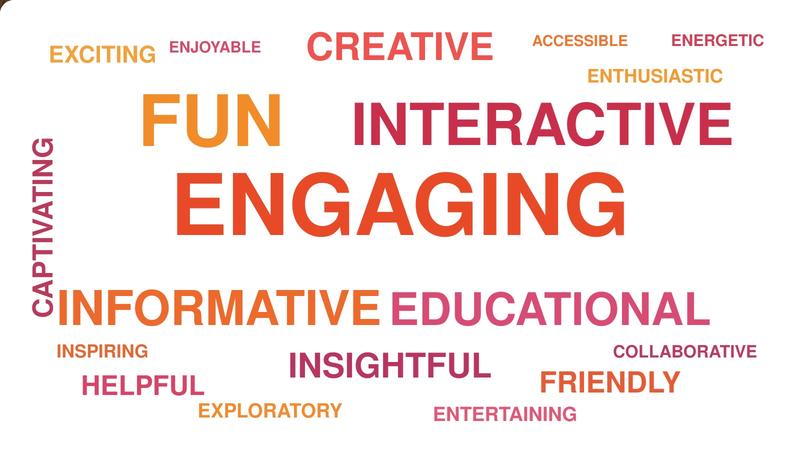
Students who have attended VALIDATE for Schools events have provided extremely positive feedback, describing the sessions as “interactive, fun and engaging”, “captivating, creative and engaging” and “informative, educational and exciting”.
They also praised the VALIDATE members who led the sessions, describing them as “extremely friendly” and “very enthusiastic”, noting their “real energy” and helpfulness.
Previous VALIDATE for Schools events
VALIDATE for Schools6: 15–16 July 2026, Stellenbosch University, South Africa
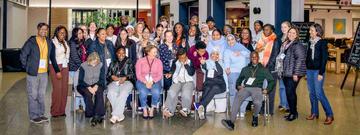
VALIDATE held its first two-day VALIDATE for Schools event at the Biomedical Research Institute (BMRI), Stellenbosch University. The event brought school learners into a working research environment to explore tuberculosis, vaccines and careers in science.
VALIDATE members Suraj Bhattarai, Liezel Smith, Zimvo Obasa, Happy Tshivhula, Bih Chendi, Alma Truyts and Robert Krause helped deliver a varied programme of talks, research case studies, laboratory activities and science communication training. Learners also worked in groups to develop and present their own science communication projects, putting what they had learned into practice.
Feedback was extremely positive, with learners particularly appreciating the opportunity to meet scientists, explore a real research environment and learn about the range of careers available in science.
VALIDATE for Schools #5: 1 July 2026, Oundle School, UK

VALIDATE returned to Oundle School for a second in-person workshop, bringing together 30 students from two local schools.
VALIDATE members Hua Wang, Camila Freitas, Beatrice Nassanga Francis and Erin McMaster introduced students to tuberculosis, vaccines and science communication. The students then worked in groups to create and present posters explaining complex scientific ideas to wider audiences, developing their communication, creativity and teamwork skills.
Feedback was very positive, with students describing the workshop as “interactive, fun and engaging”, “very informative” and “a very fun experience”. One participant also said that presenting their work provided “useful preparation for university presentations”.
VALIDATE for Schools: 2 July 2025, Oundle School, UK

VALIDATE delivered its first in-person VALIDATE for Schools workshop at Oundle School, bringing together students from local state schools to explore vaccine science and neglected tropical diseases.
Students were introduced to leishmaniasis through a video briefing from VALIDATE Fellow Daniela Pagliara Lage. They then worked in teams to design posters explaining the disease, supported by VALIDATE members Hua Wang, Beatrice Nassanga Francis, Erin McMaster and Mohamed Osman.
The workshop encouraged students to think critically and creatively about global health and how complicated scientific ideas can be communicated clearly. Students responded very positively to the interactive format, which helped inspire the return of the event in 2026.
VALIDATE for Schools: 11 May 2021, online
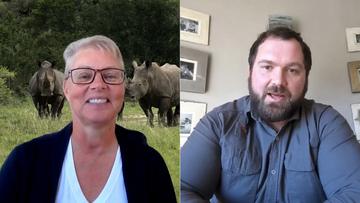
As part of our BCG100 programme, Professor Michele Miller and Dr Wynand Goosen of Stellenbosch University spoke to school students in the UK and Pakistan about “Pathways to Becoming Wildlife Researchers”.
They described the very different routes they had taken into science and explained how their research connects animal health, human health and the environment. The online format allowed students in different countries to hear directly from leading wildlife researchers and ask questions about their work and careers.
The talk is freely available to watch on YouTube.
VALIDATE for Schools: May 2021, online

VALIDATE Fellow Dr Jomien Mouton of Stellenbosch University joined school students online to discuss her research, her career in science and her journey to becoming a tuberculosis researcher.
The session gave students an accessible introduction to life as a scientist and showed that there are many different routes into biomedical research.
VALIDATE for Schools: 9 December 2020, online
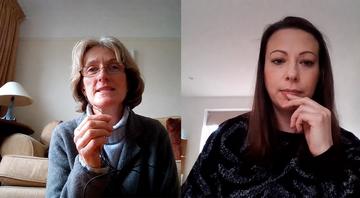
Our first VALIDATE for Schools event brought vaccine research directly into classrooms across the UK.
VALIDATE Director Professor Helen McShane and VALIDATE Fellow Dr Rachel Tanner, both from the University of Oxford, spoke to more than 250 students from 11 schools about their careers, their research and the science behind developing vaccines against tuberculosis.
The event demonstrated how online talks could connect large numbers of young people with leading researchers and laid the foundations for the wider VALIDATE for Schools programme.
The talk is freely available to watch on YouTube.
Hold your own VALIDATE for Schools event
We encourage all VALIDATE members to consider holding a VALIDATE for Schools activity in their own community.
It does not need to be a large or complicated event. You could:
- give a short talk about your career or your research;
- visit a local school, college or youth group;
- host an online question-and-answer session;
- introduce students to a disease or area of vaccine research;
- run a practical or science communication activity;
- invite colleagues to join you for a panel or series of talks; or
- organise a half-day, full-day or multi-day workshop.
Activities can be adapted to your time, resources and local circumstances. Even a single informal talk can help young people understand what scientists do and encourage them to consider a future in science.
The VALIDATE team can help you develop your idea, connect with other members, plan suitable activities and share resources from previous events. We can also help promote your event and share its outcomes with the wider VALIDATE community.
To discuss holding an event, contact VALIDATE@ndm.ox.ac.uk or complete the form below. We would be delighted to help you get started.

